By Deji Osas
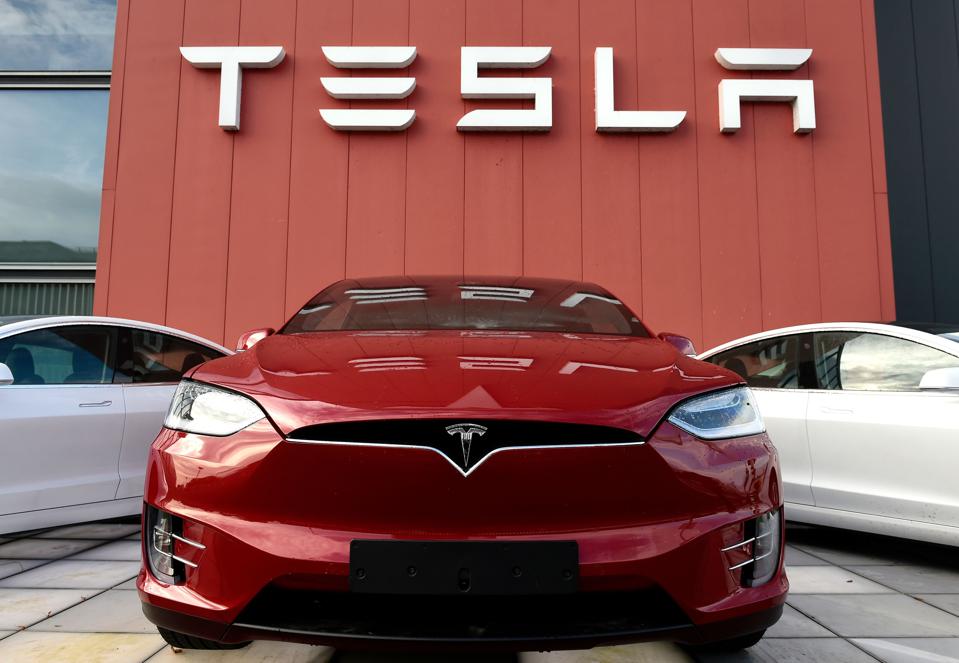
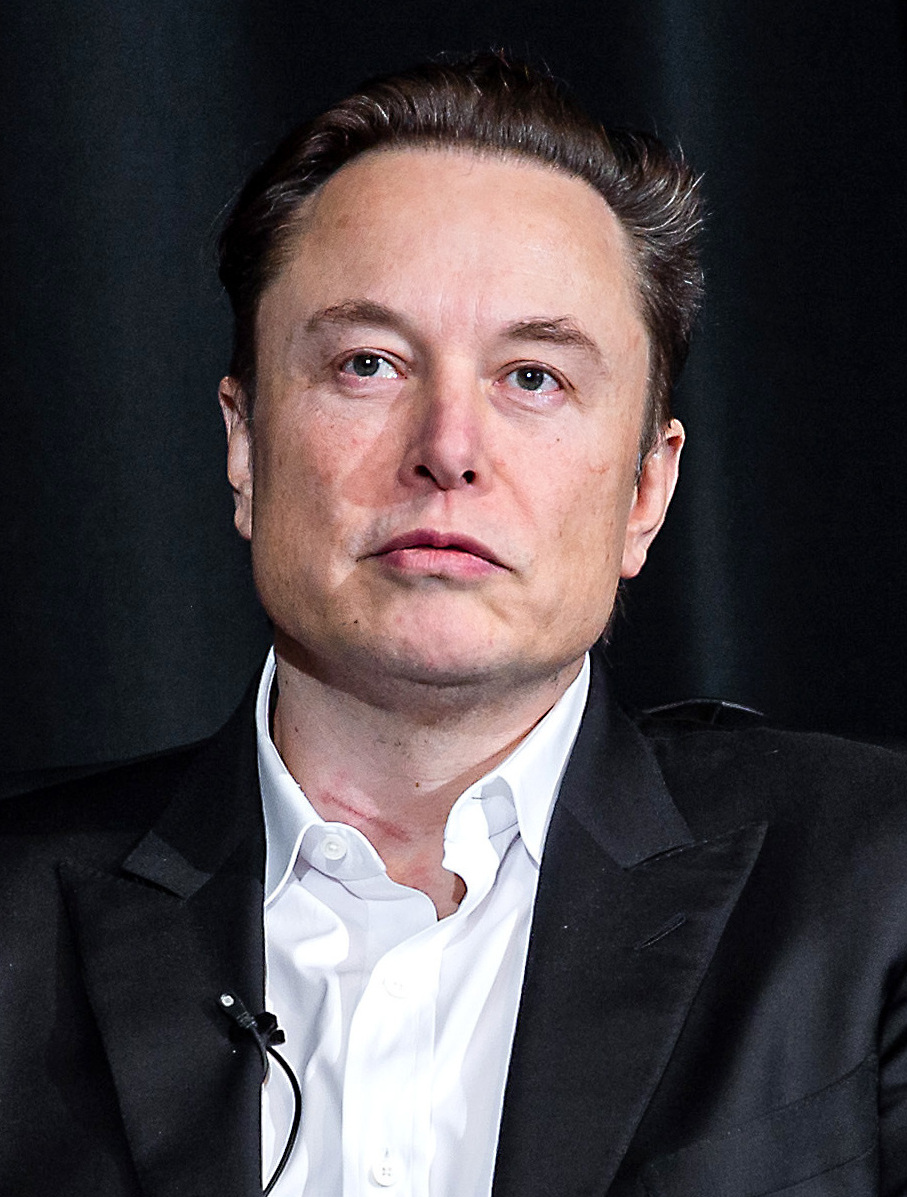
Tesla’s board of directors has unveiled a jaw-dropping compensation proposal for its CEO, Elon Musk — a performance-based pay package valued at up to $1 trillion (₩1,389.5 trillion Korean won). If approved, it would represent the largest CEO compensation deal in U.S. corporate history. But there’s a catch: Musk will only be eligible if he leads Tesla to achieve some of the most ambitious milestones ever set for a company.
The 2025 CEO Performance Compensation Plan
According to a filing submitted on September 5 to U.S. financial regulators, the plan — called the “2025 CEO Performance Compensation Plan” — would grant Musk nearly 424 million Tesla shares, distributed in 12 separate tranches through 2035. This represents around 12% of Tesla’s total stock.
If Musk manages to meet the targets, his ownership stake in Tesla could increase from 13% to 25%, giving him unparalleled influence in the company he co-founded.
To qualify, however, Tesla’s market capitalization must climb from its current $1.1 trillion to at least $2 trillion and continue expanding in stages until it hits an extraordinary $8.5 trillion. That would mean growing Tesla’s value nearly eightfold within a decade — an achievement no automaker in history has ever managed.
The High Bar for Success
The proposed plan isn’t just about market cap. It sets out ambitious operational and technological milestones, underscoring Tesla’s efforts to position itself as more than just a car manufacturer. Among the key goals:
-
Delivering 20 million Tesla vehicles worldwide.
-
Securing 10 million subscriptions to its Full Self-Driving (FSD) software.
-
Manufacturing and delivering 1 million humanoid robots.
-
Deploying 1 million autonomous robotaxis into commercial service.
-
Achieving at least $400 billion in annual EBITDA (earnings before interest, taxes, depreciation, and amortization).
For context, Tesla delivered around 1.8 million vehicles in 2023 and continues to face stiff competition from Chinese EV makers like BYD, as well as traditional automakers such as Volkswagen and Toyota. Reaching 20 million annual deliveries would mean producing more cars than any single automaker has ever done.
Shareholders to Decide in November
The plan will be put to a vote during Tesla’s annual shareholder meeting on November 6, 2025. While Musk’s supporters argue that such an aggressive package ensures his commitment to Tesla’s future, critics question whether the targets are realistic or simply a way to cement his influence.
Board chair Robin Denholm defended the proposal, saying:
“Keeping Elon Musk fully engaged and motivated is essential if Tesla is to reach its next chapter of growth and potentially become the most valuable company in history.”
The move comes at a sensitive time, as Musk continues to split his attention between Tesla, SpaceX, Neuralink, and his ownership of X (formerly Twitter). Some investors worry that Tesla’s day-to-day operations could suffer without stronger managerial focus, despite Musk’s visionary leadership.
Legal Hurdles and Past Controversy
This isn’t the first time Musk’s pay has caused waves. Back in 2018, Tesla approved another massive compensation plan worth tens of billions, tied to performance metrics. But that deal was struck down by the Delaware Chancery Court in 2024 after a shareholder lawsuit argued that the board lacked independence and failed to properly vet the package.
Tesla has since appealed the ruling, with the Delaware Supreme Court scheduled to hear arguments on October 15, 2025. The outcome of that case could determine whether the company needs to compensate Musk for the now-voided plan. Tesla’s directors have hinted that the new 2025 proposal may serve as a partial replacement should the appeal fail.
What This Means for Tesla and the Market
Analysts say the $1 trillion proposal highlights both Tesla’s ambition and the risks it faces. If Musk succeeds, Tesla could cement its position as not just the world’s leading electric vehicle maker, but also a pioneer in robotics, autonomous transport, and AI-driven services.
But the targets underscore how far Tesla still has to go. Global EV demand has cooled in some markets, while rising competition and geopolitical tensions threaten supply chains. Critics argue that placing so much emphasis on Musk’s role might overshadow the need for broader leadership structures.
Still, for supporters, the plan is vintage Musk: bold, risky, and potentially world-changing. As one analyst put it, “If anyone can convince investors to bet on an $8.5 trillion dream, it’s Elon Musk.”
With the shareholder vote just weeks away, the stage is set for one of the most consequential decisions in Tesla’s history.