

By Gloria Nosa
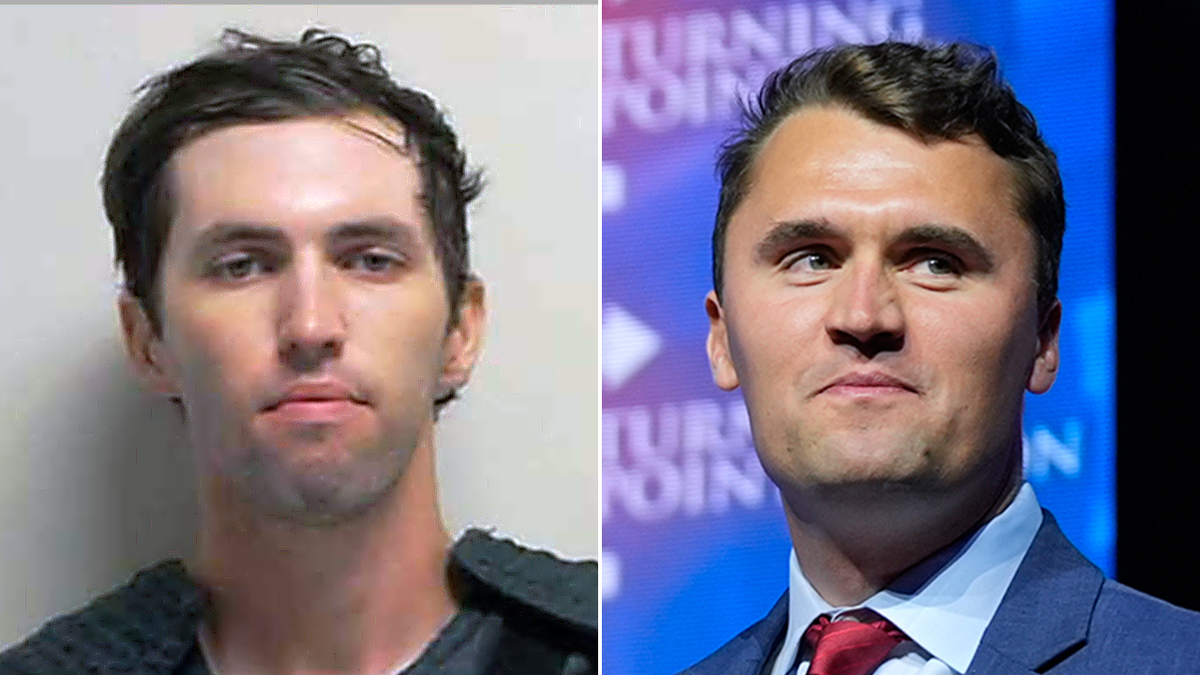
The Case That Shook Utah and the Nation
The fatal shooting of conservative activist Charlie Kirk at Utah Valley University has continued to dominate headlines across the United States, not only for the shocking nature of the crime but for the chilling details prosecutors have now presented in court.
At the heart of the case is Tyler Robinson, a 22-year-old who stands accused of orchestrating what authorities describe as a politically motivated assassination.
During the most recent hearing, prosecutors unveiled a cache of text messages and written confessions that, in their words, “pull back the curtain” on Robinson’s state of mind before, during, and after the attack. The evidence, they insist, proves premeditation, political intent, and deliberate attempts to obstruct justice.
Charlie Kirk, a prominent and polarizing conservative voice, had been speaking at Utah Valley University on issues surrounding gender, politics, and national identity—topics that often drew both fervent support and equally intense opposition. It was during one of these events that Robinson allegedly took aim from a rooftop, firing a single fatal shot from 160 yards away.
The Messages That Revealed the Motive
Court documents revealed that Robinson had been planning the attack “for a bit over a week.” His texts to his roommate were not the ramblings of someone confused or impulsive—they were methodical, calculated, and deliberate.
In one of the most damning notes, discovered hidden under his computer keyboard, Robinson allegedly wrote:
“I had the opportunity to take out Charlie Kirk and I’m going to take it.”
When confronted by his roommate over text, Robinson did not deny the accusation. Instead, he admitted he was sorry but explained that Kirk’s rhetoric had pushed him past a breaking point.
“I had enough of his hatred. Some hate can’t be negotiated out,” Robinson allegedly wrote, according to filings read in court.
Further messages revealed how he attempted to manipulate those closest to him into silence. He urged his roommate not to speak to investigators, telling him:
“Don’t take any interviews or make any comments. If any police ask you questions, ask for a lawyer and stay silent.”
Prosecutors argue that these texts make clear Robinson’s determination not only to carry out the killing but also to erase evidence and obstruct justice.
The Rifle, the Rooftop, and the Getaway
The weapon used in the assassination has now become a central piece of evidence. Detectives recovered a Mauser Model 98 bolt-action rifle in a wooded area near the university campus, wrapped in a towel. Forensic testing confirmed Robinson’s DNA on the trigger, towel, and bullet casings.
Even more disturbing were the engravings on the bullet casings themselves. Some carried anti-fascist messages like “Hey fascist! Catch!”, while others bore internet meme phrases. Prosecutors said Robinson dismissed the engravings as “mostly a big meme,” but investigators argue they reflected his ideological bent and disdain for Kirk’s politics.
Surveillance footage presented in court showed Robinson scaling a rooftop on the day of the attack. From that vantage point, he positioned himself and fired the single shot that ended Kirk’s life. Moments later, he changed outfits and fled into the woods, abandoning the weapon.
For over 24 hours, Robinson evaded capture, blending in to avoid detection. Ultimately, it was his parents and a retired deputy family friend who convinced him to surrender to authorities at the Washington County Sheriff’s Office.
The Charges, the Death Penalty, and the Fallout
Tyler Robinson now faces a slate of charges including aggravated murder, obstruction of justice, witness tampering, unlawful discharge of a firearm, and committing a violent crime in the presence of a child. Utah County Attorney Jeff Gray has confirmed prosecutors will seek the death penalty, citing the political motive, premeditation, and the brazenness of the crime.
“This was not random,” Gray said. “This was a calculated assassination carried out against a man because of his political beliefs. The law demands accountability at the highest level.”
The courtroom revelations have sparked nationwide debate. Supporters of Charlie Kirk view him as a martyr of free speech, while critics warn that the case underscores the dangers of escalating political violence in the United States.
Robinson’s defense team has not yet presented its case in full, but analysts expect mental health arguments and possible challenges to the interpretation of his texts. Still, prosecutors remain confident, citing the rifle, the confession note, and the digital footprint as overwhelming evidence.
As the trial unfolds, the country watches closely. The killing of Charlie Kirk has not only altered the political landscape but has also placed questions of free expression, extremism, and political violence at the center of America’s national conversation.


