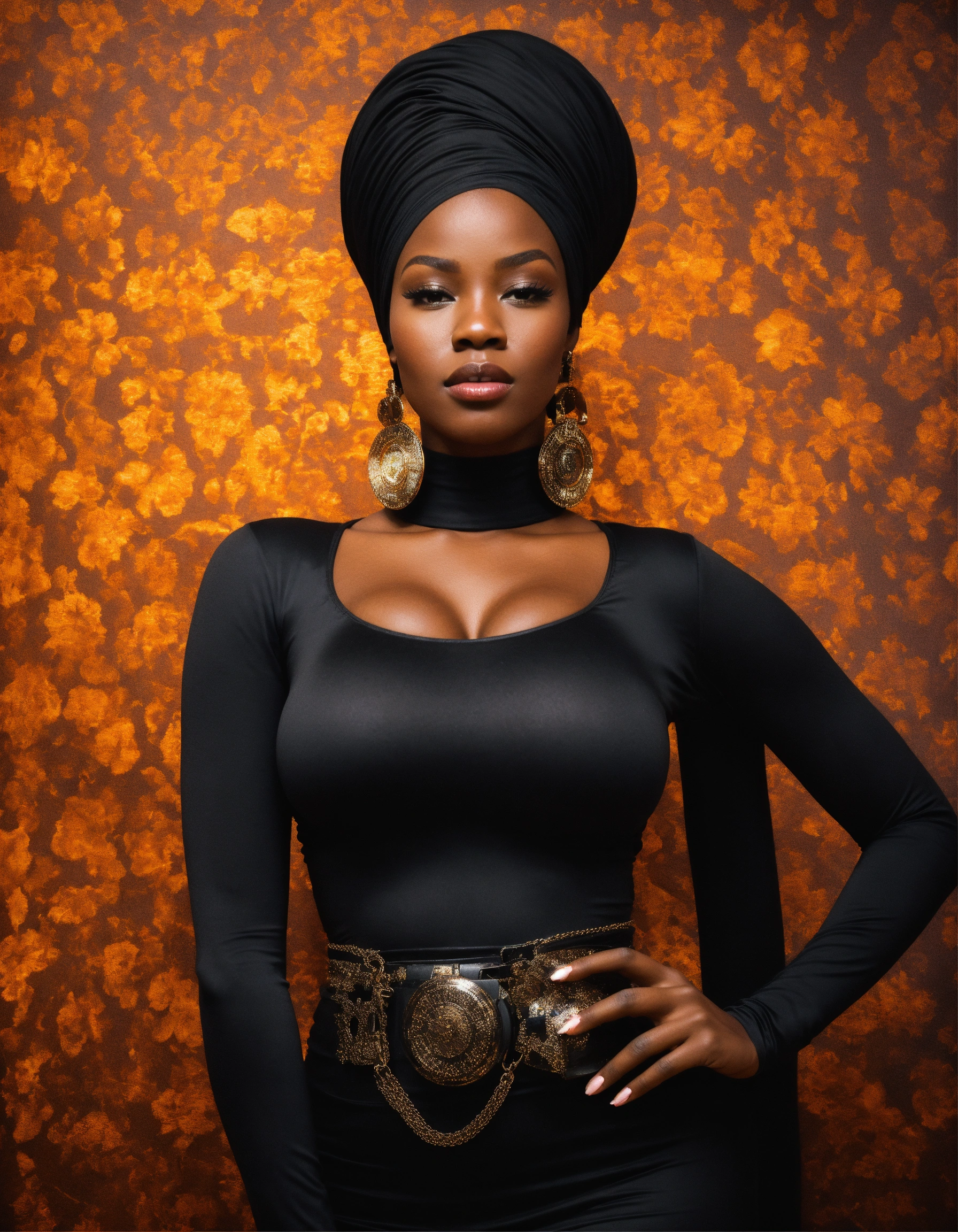
By Ufuoma Okodili

The Beauty and the Beholder
They say beauty lies in the eye of the beholder — but what they rarely tell you is that beauty also lies in the heart, the mind, and the soul of the one who dares to see it.
In a world obsessed with perfection, The Beauty and the Beholder is not merely a tale of appearances, but of perception. It is the story of how one person’s vision can transform the ordinary into the extraordinary, how admiration can breathe life into something overlooked, and how true beauty is often less about what is seen, and more about how it is seen.
Beauty, in its purest form, is subjective. The same rose may inspire a poet to write verses, a lover to make a promise, and a gardener to simply prune the thorns. The beholder shapes the beauty — deciding whether to focus on the petals or the prick.
But here lies the paradox: while beauty is defined by the beholder, it is also shaped by the beauty itself. Sometimes, the presence of something truly captivating forces even the most skeptical eyes to pause and take notice. In those moments, beauty becomes undeniable — it commands attention, transcending personal taste, leaving the beholder transformed.
In human connection, The Beauty and the Beholder is a dance. One offers grace, charm, and authenticity; the other offers recognition, appreciation, and meaning. Without the beholder, beauty risks being unseen; without beauty, the beholder’s eyes might never learn to truly see.
Perhaps that is why the greatest kind of beauty is not found in flawless symmetry, but in the raw, unfiltered authenticity that stirs the heart. And perhaps the greatest kind of beholder is not the one with the sharpest eyes, but the one with the most open soul.
In the end, beauty and its beholder are inseparable — each existing for and because of the other. For when beauty meets the right beholder, the world does not just become prettier; it becomes infinitely more meaningful.