

By Deji Osas
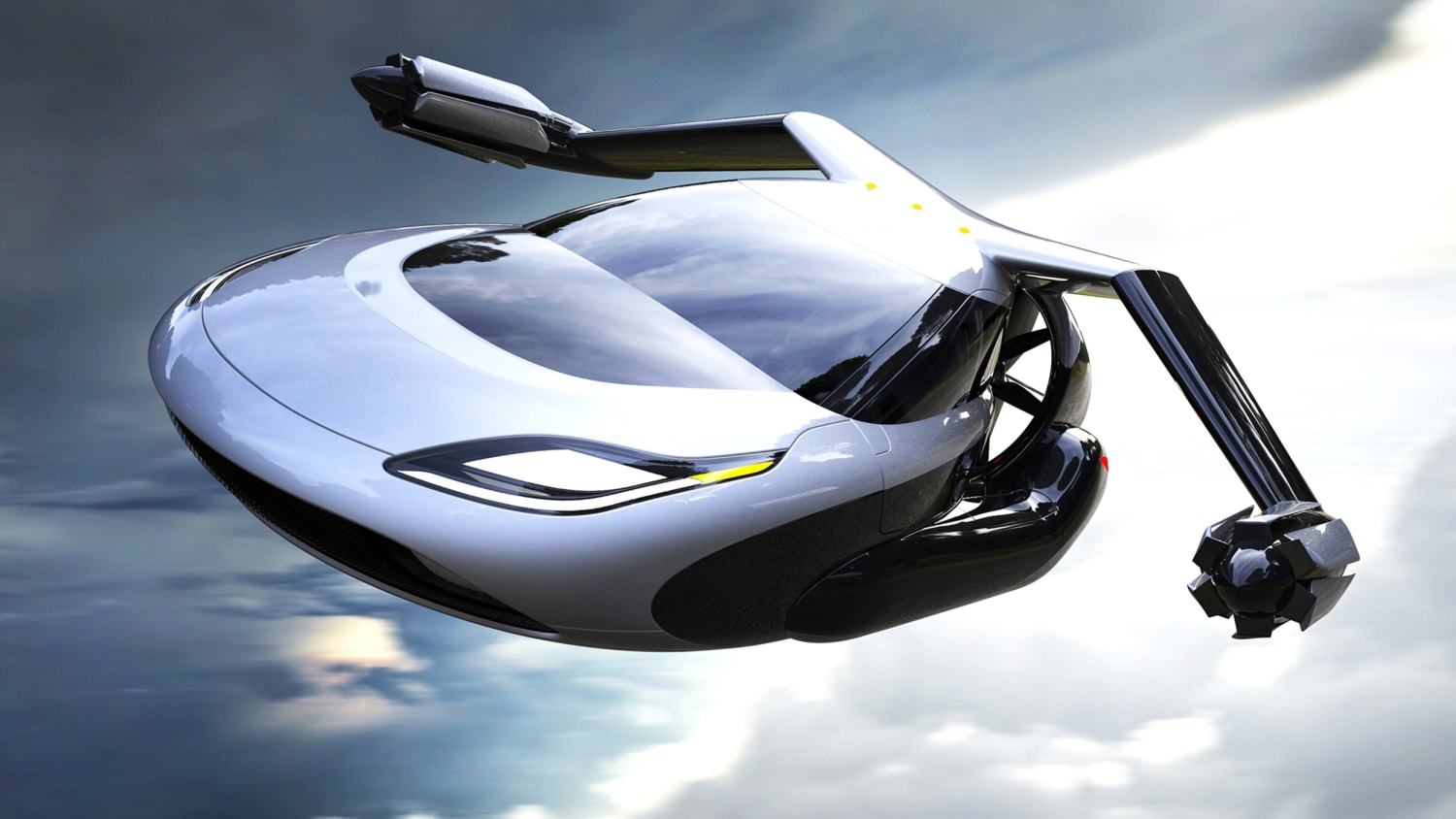
A Vision of the Skies Becoming Reality
For decades, flying cars have existed only in the realm of science fiction. From The Jetsons to Back to the Future, popular media has long teased a future where vehicles soar through city skies. But in recent years, this vision has begun to take real, tangible form. Technological innovations, private sector investments, and growing urban congestion have combined to drive serious momentum toward making flying cars—or more accurately, electric vertical takeoff and landing vehicles (eVTOLs)—a practical mode of transportation.
Flying cars are no longer hypothetical dreams. Startups and aerospace giants alike are producing prototypes, conducting flight tests, and securing airspace clearances. Companies like Joby Aviation, Volocopter, Lilium, and Archer Aviation have made significant progress, with some expected to launch commercial services as early as 2025–2026. The U.S. Federal Aviation Administration (FAA), European Union Aviation Safety Agency (EASA), and other global regulatory bodies are now actively developing guidelines for low-altitude urban air mobility (UAM).
The urgency to innovate is driven by modern problems: overpopulated cities, increasingly congested roads, rising emissions from ground vehicles, and the demand for faster, more efficient mobility. The sky, once the exclusive domain of airplanes and helicopters, is now being viewed as the next frontier for personal and shared urban travel.

The Technology, Players, and Public Readiness
The core of this aviation revolution lies in electric propulsion and autonomous systems. Traditional helicopters are noisy, expensive, and require trained pilots, but the new generation of flying vehicles are designed to be quiet, fully electric, environmentally friendly, and increasingly automated. This means lower operational costs, fewer emissions, and easier integration into city transportation networks.

Companies like Joby Aviation have already completed more than 1,000 test flights with eVTOL aircraft capable of flying up to 150 miles per charge at speeds exceeding 200 mph. Meanwhile, Volocopter is preparing to launch air taxi services at the Paris 2024 Olympics, marking one of the first real-world demonstrations of flying cars in a metropolitan setting. Major players like Hyundai, Toyota, and even NASA are also pouring resources into this futuristic mode of transport.
Moreover, governments and city planners are beginning to embrace the idea. Urban air mobility hubs—small “vertiports” where flying cars can take off, land, and recharge—are being designed and approved in major cities like Los Angeles, Dubai, and Singapore. Some governments are working alongside manufacturers to create infrastructure and airspace management systems to ensure safety and efficiency.
Public opinion is also evolving. Surveys in the U.S., Europe, and Asia suggest growing interest in flying cars, especially among younger populations who are more open to technology and less reliant on car ownership. People are attracted to the promise of reduced travel time, aerial views, and the novelty of flight, especially in heavily congested cities.

Challenges, Opportunities, and the Road Ahead
Despite the excitement, several challenges remain. These include:
-
Regulatory complexity: Governments must create entirely new frameworks for certifying flying vehicles, managing low-altitude air traffic, and ensuring safety.
-
Noise and safety concerns: Public safety, especially in crowded cities, is a major concern. Manufacturers must prove that these vehicles are as safe—if not safer—than conventional ground vehicles.
-
Infrastructure development: Building vertiports, updating city planning, and integrating flying cars with other modes of transport will require coordinated investment.
-
Cost barriers: Initially, flying cars may be expensive and accessible only to affluent individuals or through ride-sharing platforms. Over time, mass production and improved battery technologies could lower costs.

Still, the opportunities outweigh the barriers. In the long term, flying cars can:
-
Revolutionize emergency services: Offering faster transport for patients, disaster response, and law enforcement.
-
Transform daily commutes: Turning 90-minute road journeys into 15-minute flights.
-
Enhance tourism and leisure travel: Allowing people to reach remote destinations quickly and enjoy new aerial experiences.
In conclusion, flying cars are not a far-off dream—they’re in active development, rapidly gaining traction, and poised to take off within the next decade. The convergence of environmental urgency, technology readiness, and consumer demand is creating the perfect runway for this new era. The skies are no longer reserved for birds and airplanes—the age of airborne personal transport is closer than we think. And soon, we may find ourselves looking up—not just in awe, but in anticipation of a ride.


