

By Geradine Ohonba
Health Editor/Columnist
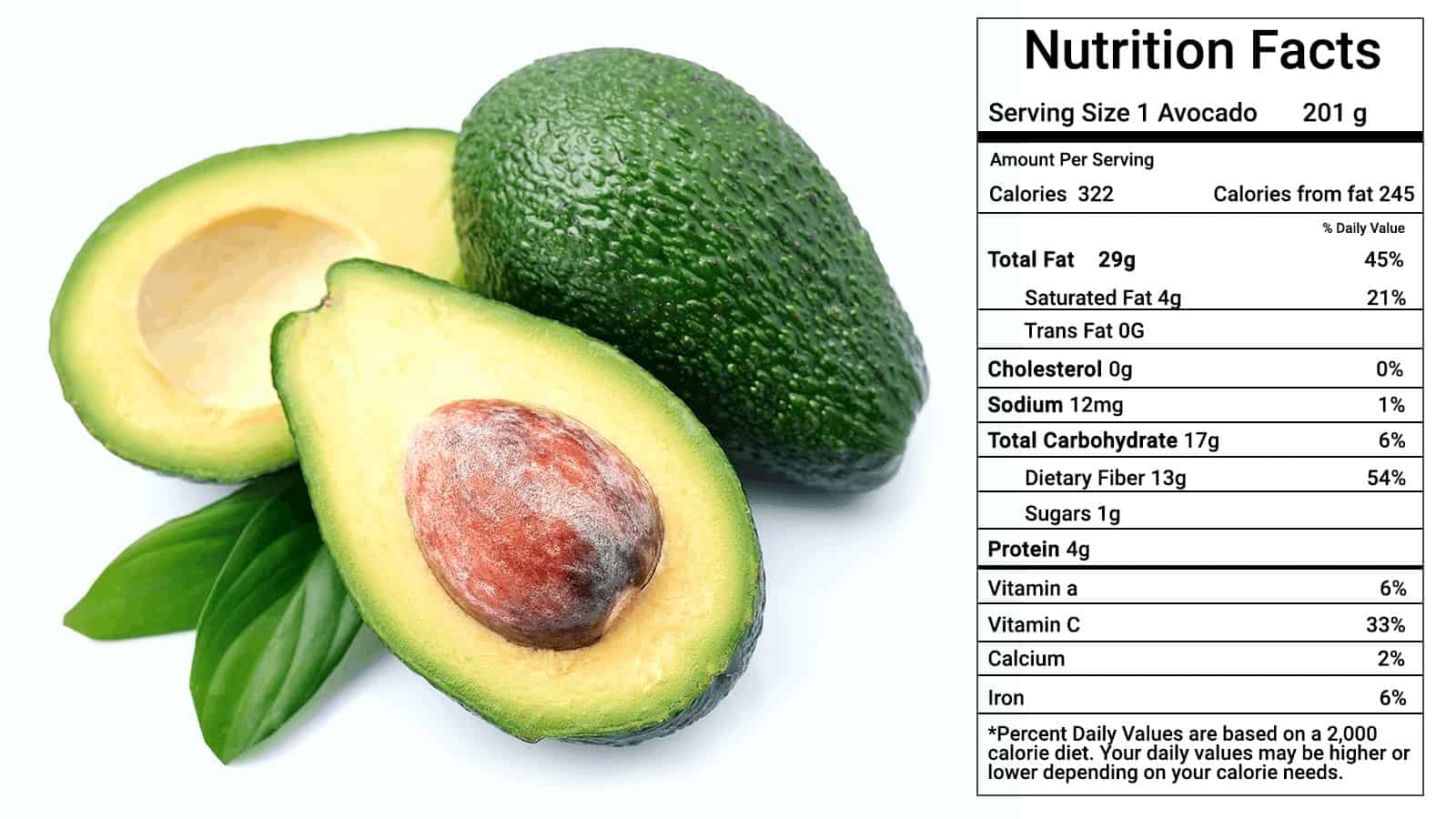
Avocados are often referred to as nature’s butter or green gold—and for good reason. They are among the most nutrient-dense fruits available, packed with a wide range of vitamins, minerals, healthy fats, and fiber. Unlike most fruits that are high in carbohydrates, avocados are unique because they primarily consist of heart-healthy monounsaturated fats, making them a standout choice for those seeking both flavor and nutrition.
One of the most notable nutrients found in avocados is healthy fat, particularly oleic acid. This monounsaturated fatty acid is known for its anti-inflammatory properties and its ability to support cardiovascular health. Consuming oleic acid can help lower bad LDL cholesterol levels while raising the good HDL cholesterol, contributing to a reduced risk of heart disease. These healthy fats also help with the absorption of fat-soluble vitamins like A, D, E, and K when eaten with other foods.
Avocados are also an excellent source of dietary fiber, providing about 7 grams per 100 grams—significantly more than most other fruits. Fiber plays a crucial role in supporting digestive health, regulating blood sugar levels, and promoting a feeling of fullness, which can aid in weight management.
In addition to fats and fiber, avocados boast an impressive array of vitamins and minerals. They are particularly rich in:
-
Potassium, which supports heart function and helps regulate blood pressure. In fact, avocados contain more potassium per serving than bananas.
-
Folate (Vitamin B9), which is vital for cell repair and especially important during pregnancy for fetal development.
-
Vitamin K, essential for blood clotting and bone health.
-
Vitamin E, a powerful antioxidant that helps protect cells from oxidative stress.
-
Vitamin C, important for immune function, skin health, and collagen production.
-
B-vitamins, including B5 and B6, which help the body convert food into energy and support nervous system health.
Another valuable component of avocados is their wealth of antioxidants, such as lutein and zeaxanthin. These carotenoids are especially beneficial for eye health, helping to protect against age-related macular degeneration and cataracts.
What makes avocados even more appealing is that they are naturally low in sugar and contain no cholesterol or sodium. This makes them suitable for a wide range of dietary needs, from heart-healthy plans to diabetic-friendly menus.
In conclusion, the nutritional profile of avocados is both diverse and potent. From healthy fats and fiber to essential vitamins and antioxidants, avocados offer a well-rounded source of nourishment. Incorporating them into your daily diet can be a delicious and effective way to support overall wellness.

