

Tech News Assistant Editor
Tez Mukamba
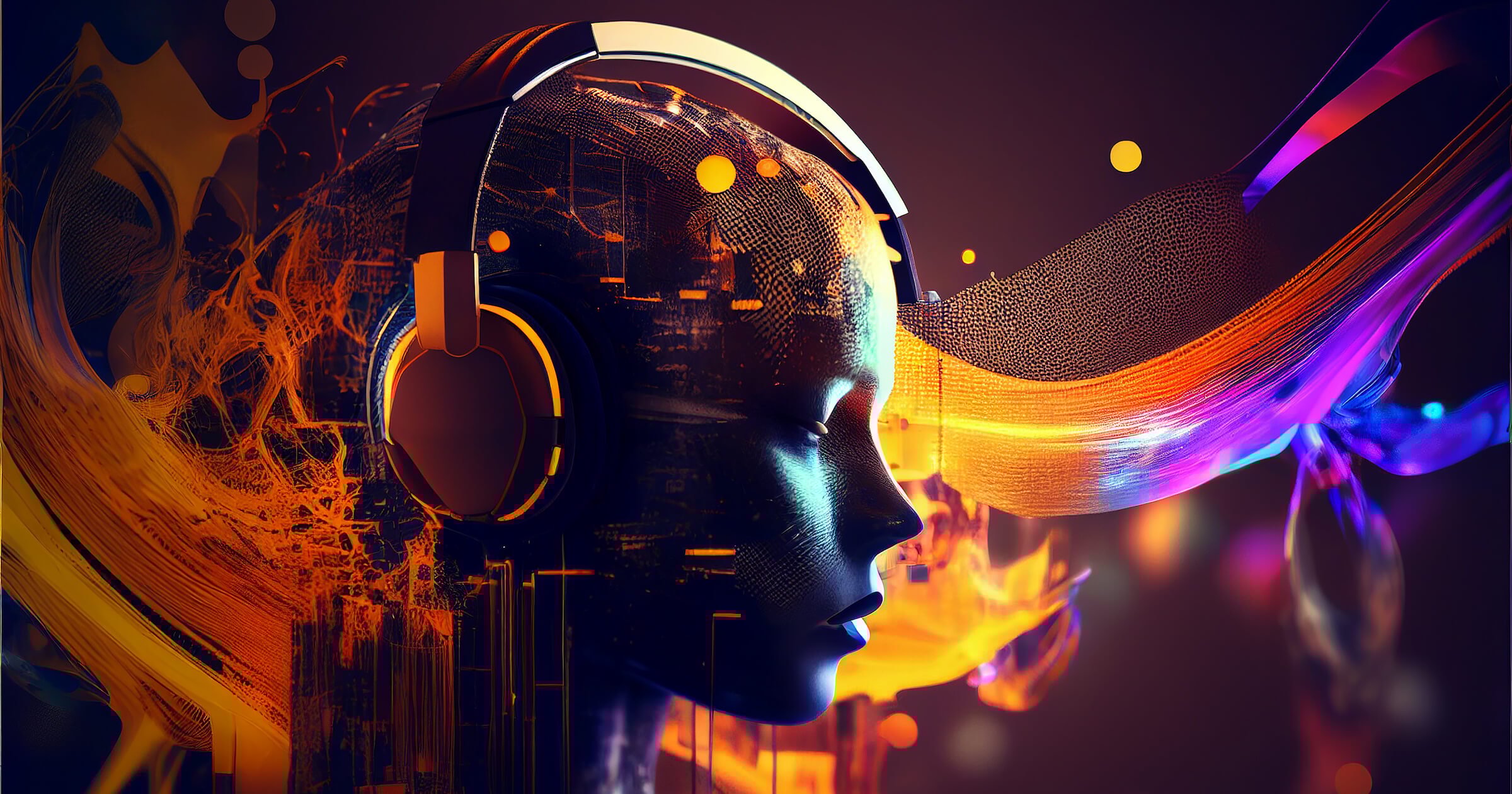
When Machines Start Making Music
The world of music has always evolved with technology — from the invention of musical instruments centuries ago to the introduction of recording devices, synthesizers, and digital streaming platforms. But today, the industry faces an even more profound shift: artificial intelligence (AI) is now generating music that rivals human compositions.
AI-powered systems can write lyrics, compose melodies, mix beats, and even perform vocals in ways that mimic popular artists. Programs like OpenAI’s Jukebox, Google’s MusicLM, and other emerging platforms are pushing the boundaries of creativity. Instead of a human sitting with a guitar or keyboard, a musician today might type in a prompt — “a soulful R&B song about heartbreak” or “an energetic Afrobeats track for a Friday night party” — and within seconds, AI produces a full track.
This raises a bold question: will AI replace musicians? Or will it merely become another tool in the creative process?
How AI Music Works
AI music systems rely on machine learning models trained on vast datasets of songs, lyrics, and musical patterns. By analyzing millions of tracks across genres, the systems learn rhythm, chord progressions, styles, and even emotional cues in music.
-
Lyric Generation: Tools like ChatGPT and others can create lyrics that sound natural and emotionally resonant.
-
Beat & Melody Composition: Programs such as Amper Music, AIVA, and Boomy allow users to generate instrumental tracks tailored to specific moods or genres.
-
Voice Cloning: AI can now replicate an artist’s voice so convincingly that listeners often can’t tell the difference between the human and machine versions.
-
End-to-End Songwriting: With AI combining lyrics, melodies, vocals, and mixing, entire albums can be created without a single human playing an instrument.
For example, in 2023, an AI-generated track mimicking Drake and The Weeknd went viral on TikTok and streaming platforms before being pulled down due to copyright disputes. This demonstrated both the power of AI and the threat it poses to traditional musicianship.

The Debate: Opportunity or Threat?
The arrival of AI-generated music has sparked heated debates in the global music community.
Opportunities:
-
Accessibility: Aspiring creators who lack musical training can now produce professional-quality music with AI tools.
-
Cost-Effectiveness: Instead of hiring a full studio team, independent artists can use AI to generate beats, mix, and master their songs.
-
Experimentation: Musicians can collaborate with AI to create new sounds that may not be achievable with traditional instruments.
-
Personalization: AI could allow fans to generate custom songs for birthdays, weddings, or even personal playlists tailored to mood and emotion.
Threats:
-
Job Loss: Professional musicians, producers, and session instrumentalists may face reduced demand as AI takes over their roles.
-
Creativity Concerns: Critics argue that AI music lacks the soul, pain, joy, and lived experiences that human artists pour into their work.
-
Copyright Issues: Since AI systems are trained on human-made music, questions arise about originality and intellectual property.
-
Cultural Impact: Music is deeply tied to culture and identity. If machines start dominating, some fear the dilution of authentic cultural expression.
Even musicians themselves are divided. Some, like Grimes, openly encourage AI-generated versions of their voices under licensing agreements. Others, like Drake, have condemned AI imitations of their work as “art theft.”
The Future: Will AI Replace Musicians?
So, will AI replace human musicians entirely? Experts say it is unlikely. While AI can generate technically impressive music, what it cannot fully replicate is the human story. Music is not just sound — it’s emotion, history, protest, spirituality, and lived experience.
Fans don’t just listen to Beyoncé, Burna Boy, or Ed Sheeran for their melodies; they connect with their journeys, struggles, and identities. An AI system cannot grow up in the ghettos of Lagos, face heartbreak, or experience fame — it can only imitate those emotions.
Instead, the future may look more like co-creation:
-
Artists will use AI as a collaborator, just as they use synthesizers, auto-tune, and digital software today.
-
Record labels may employ AI for efficiency — generating demo tracks, jingles, or background scores.
-
Entirely new genres may emerge from the fusion of human creativity and machine intelligence.
Still, the industry must establish clear ethical and legal frameworks to protect artists’ rights and ensure AI-generated content does not devalue human musicianship.
As the debate continues, one truth stands out: AI may never replace the soul of music, but it is reshaping how music is created, distributed, and consumed. The challenge for the future is finding balance — ensuring that technology serves as an instrument of creativity, not a substitute for human artistry.
The rise of AI in music is like the arrival of electricity to instruments or the birth of digital streaming. It will disrupt, but it will also open doors. Whether it replaces or enhances human musicians will depend on how we choose to embrace it.

