By Geradine Ohonba
Assistant Health Editor/Writer
The World of Viruses and Bacterias: Tiny but Mighty
Introduction
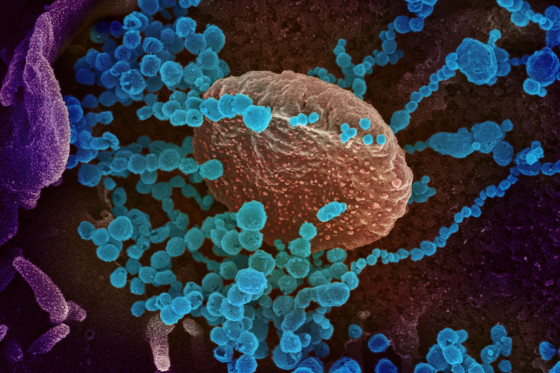
Though invisible to the naked eye, viruses and bacteria are among the most influential entities on Earth. From shaping the evolution of life to triggering global pandemics, these microscopic organisms wield enormous power. Often lumped together in discussions about disease, viruses and bacteria are fundamentally different in structure and behavior. While bacteria are single-celled living organisms capable of surviving on their own, viruses are acellular and can only replicate inside a host’s cells. Despite their reputation as harbingers of disease, both have critical roles in sustaining life, advancing medicine, and driving scientific discovery. Understanding these tiny but mighty organisms provides insight into both the vulnerabilities and strengths of life itself.
What Are Viruses and Bacteria?
Bacteria are prokaryotic, single-celled organisms that lack a nucleus but possess all the machinery needed for independent life. They can be found in virtually every environment on Earth — from deep-sea vents to the human gut — and number in the quintillions. Bacteria reproduce by binary fission and are categorized based on shape (e.g., cocci, bacilli, spirilla), gram staining (positive or negative), and metabolic processes.
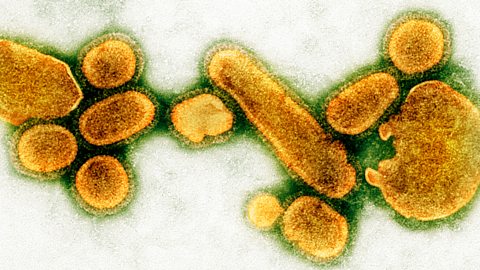
Viruses, in contrast, are far simpler. They consist of genetic material — either DNA or RNA — enclosed in a protein coat, and sometimes a lipid envelope. Viruses are not considered living organisms by most biologists because they cannot carry out life processes independently. Instead, they hijack the cellular machinery of a host organism to replicate. Their lifecycles include stages such as attachment, penetration, replication, assembly, and release.
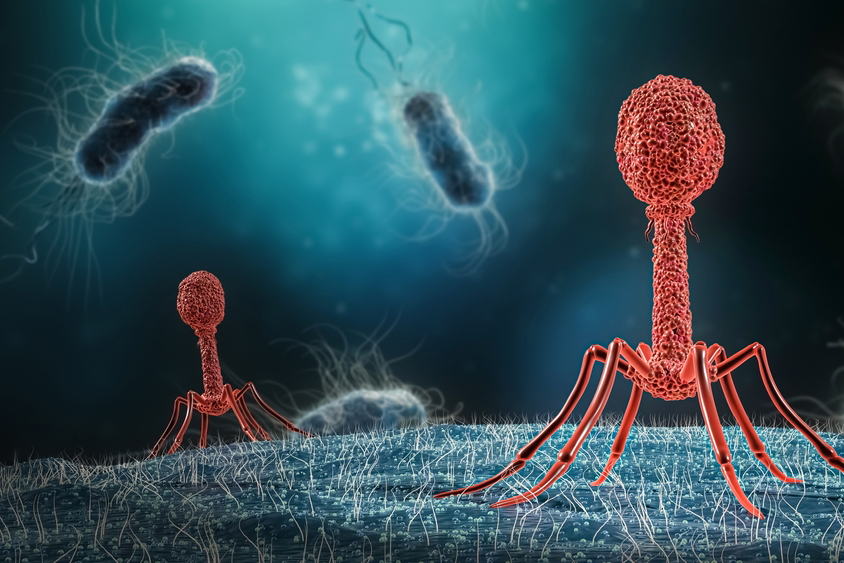
Despite their simplicity, viruses are incredibly diverse and adaptable. They can infect all forms of life, including bacteria themselves (in which case they are known as bacteriophages). Their small size — often 100 times smaller than bacteria — allows them to mutate rapidly, evade immune responses, and spread with astonishing speed.
Beneficial Roles: Not All Microbes Are Villains
Though frequently associated with disease, both bacteria and viruses play indispensable roles in ecosystems and human health. In fact, our bodies are home to trillions of beneficial bacteria, many of which are crucial for digestion, immunity, and even mental health. This collective is known as the human microbiome.
The gut microbiota, for example, helps break down complex carbohydrates, synthesize certain vitamins (like B12 and K), and outcompete harmful pathogens. Recent studies have linked a healthy microbiome with reduced risks of obesity, depression, and autoimmune diseases. In agriculture, nitrogen-fixing bacteria such as Rhizobium transform atmospheric nitrogen into forms plants can use, underpinning global food systems.
Viruses, too, have potential for good. Bacteriophages (viruses that infect bacteria) are being explored as alternatives to antibiotics in the treatment of drug-resistant infections — a field known as phage therapy. Additionally, scientists have harnessed viruses in genetic engineering, such as in CRISPR-Cas9 technology, which uses a modified bacterial defense system against viruses to edit genes with unprecedented precision.
Furthermore, viruses play a natural role in maintaining population balance in ecosystems by controlling overgrowth of certain microbial populations. In marine environments, viruses help recycle nutrients by lysing phytoplankton and other microorganisms, a process known as the viral shunt.
Pathogens and Pandemics: The Dangers They Pose
Despite their benefits, viruses and bacteria can also be formidable threats. Pathogenic bacteria like Mycobacterium tuberculosis, Escherichia coli O157:H7, and Staphylococcus aureus cause diseases ranging from mild infections to deadly illnesses. Antibiotic-resistant strains, such as MRSA (methicillin-resistant Staphylococcus aureus), represent a major global health crisis. Resistance arises through misuse of antibiotics, horizontal gene transfer, and natural selection, making once-treatable infections potentially fatal.
Viruses have historically caused devastating outbreaks. The 1918 influenza pandemic killed an estimated 50 million people globally. More recently, the COVID-19 pandemic caused by the SARS-CoV-2 virus upended economies, overwhelmed healthcare systems, and reshaped daily life across the globe. Unlike bacteria, viruses cannot be treated with antibiotics, and antiviral medications are limited in number and scope.
Viral evolution and mutation present further challenges. For instance, influenza viruses undergo frequent genetic changes, necessitating new vaccines each year. The emergence of new viral diseases — like Ebola, Zika, and Nipah — highlights the constant threat posed by zoonotic viruses, which jump from animals to humans, often due to ecological disruption and increased human-wildlife contact.
Defense Mechanisms and Modern Innovations
Humanity has developed a range of tools to combat viral and bacterial threats. Vaccines represent one of the greatest medical achievements, providing immunity against diseases such as polio, measles, and more recently, COVID-19. Antibiotics revolutionized medicine in the 20th century, but their overuse and misuse have spurred a wave of resistance that threatens to render them ineffective.
Antivirals, while less common than antibiotics, are critical in treating infections like HIV, herpes, and influenza. However, viruses’ rapid mutation rates often outpace the development of new treatments. In recent years, scientists have turned to more innovative solutions, such as mRNA vaccines (used in COVID-19), phage therapy, and personalized medicine based on genomic data.
Public health measures remain essential in preventing the spread of infectious diseases. Hygiene, sanitation, vaccination programs, and surveillance systems are all critical components. During outbreaks, strategies like quarantine, contact tracing, and social distancing help contain transmission.
Looking Ahead: The Future of Microbial Science
The study of viruses and bacteria is entering a new era. With advances in genomics, synthetic biology, and artificial intelligence, scientists can now sequence microbial genomes in hours, engineer microbes for specific tasks, and even predict future pandemics. Projects like the Human Microbiome Project are shedding light on how microbes influence health and disease in ways previously unimaginable.
CRISPR-Cas9, derived from a bacterial immune response to viruses, has revolutionized genetic editing and holds promise for curing genetic diseases and improving crop resilience. Meanwhile, bacteriophages are being re-engineered to target specific pathogens without disturbing beneficial microbiota, a major advantage over broad-spectrum antibiotics.
In the environmental sphere, microbes are being employed to clean up oil spills, degrade plastics, and produce biofuels. Researchers are even exploring ways to harness viruses in cancer treatment, using them to infect and kill tumor cells selectively.
Viruses and bacteria may be microscopic, but their impact is colossal. They shape our health, influence ecosystems, and drive scientific innovation. While they have the potential to cause harm, they also offer solutions to some of humanity’s greatest challenges. As our understanding deepens, so too does our ability to harness their power for good. In the battle against disease and the quest for sustainable living, these tiny organisms are proving to be mighty allies — and formidable foes.