

By John Umeh
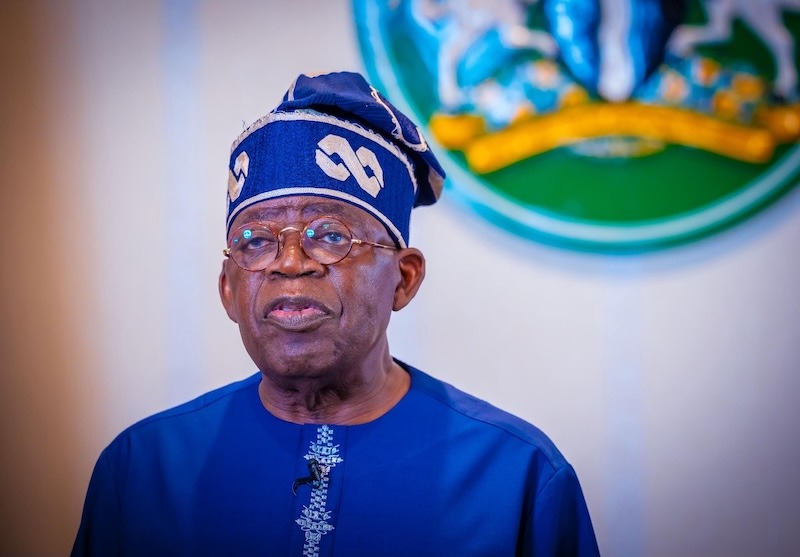
In a significant move reflecting both compassion and justice reform, President Bola Ahmed Tinubu has approved the release, commutation, and posthumous pardon of 34 Nigerians across various correctional facilities and historical contexts. The decision, announced through the Special Adviser to the President on Information and Strategy, Bayo Onanuga, marks a renewed exercise of the president’s constitutional powers under Section 175 (1) and (2) of the 1999 Constitution (as amended).
According to the statement, the president signed three legal instruments — granting clemency, commutation of death sentences to life imprisonment, and full presidential pardons — after wide-ranging consultations with the Council of State and key justice sector stakeholders.
President Tinubu noted that the process was carried out with sensitivity to national security, victims’ rights, and public sentiment. He emphasized that his administration deliberately excluded individuals convicted of serious crimes such as kidnapping, drug trafficking, human trafficking, and fraud, to maintain public confidence and uphold the integrity of the justice system.
Breakdown of the Presidential Acts of Mercy
1. Instrument of Presidential Prerogative of Mercy (Grant of Clemency), 2025
Beneficiaries:
Oroka Michael Chibueze
Adesanya Olufemi Paul
Daniel Bodunwa
Hamza Abubakar
Buhari Sani
Mohammed Musa
Muharazu Abubakar
Ibrahim Yusuf
Saad Ahmed Madaki
Ex-Corporal Michael Bawa
Richard Ayuba
Adam Abubakar
Emmanuel Yusuf
Chinedu Stanley
Johnny Ntheru Udor
2. Instrument of Presidential Prerogative of Mercy (Commutation of Death Sentence to Life Imprisonment), 2025
Beneficiaries:
Emmanuel Baba
Abubakar Usman
Khalifa Umar
Mohammed Umar
3. Instrument of Presidential Prerogative of Mercy (Grant of Pardon), 2025
Beneficiaries include prominent Nigerians such as:
Mrs. Anastasia Daniel Nwaobia
Barr. Hussaini Alhaji Umar
Ayinla Saadu Alanamu
Hon. Farouk M. Lawan
Herbert Macaulay
Major General Mamman Jiya Vatsa
Ken Saro-Wiwa
Saturday Dobee
Nordu Eawo
Daniel Gbooko
Paul Levera
Felix Nuale
Baribor Bera
Barinem Kiobel
John Kpuine
This category notably includes the posthumous pardons of Ken Saro-Wiwa and his fellow Ogoni activists, as well as Major General Mamman Vatsa, all of whom were executed during past military regimes. Tinubu’s action symbolically restores their honour and acknowledges the injustices of the past.
Reforms and Future Oversight
President Tinubu further approved the relocation of the Secretariat of the Presidential Advisory Committee on Prerogative of Mercy from the Federal Ministry of Special Duties to the Federal Ministry of Justice. The Attorney-General of the Federation has been directed to issue new operational guidelines to ensure transparency and accountability in subsequent reviews.
Going forward, the president said all future exercises of clemency or pardon will involve mandatory consultations with relevant prosecuting agencies and compliance with laid-down legal frameworks.
A Step Toward Justice Sector Renewal
The president expressed appreciation to Nigerians for their continued engagement and constructive feedback regarding the prerogative of mercy process. He reiterated his administration’s resolve to pursue justice sector reforms that balance mercy with accountability, rehabilitation with deterrence, and forgiveness with fairness.
Observers see the move as a gesture aimed at promoting reconciliation, easing prison congestion, and strengthening the moral foundation of governance in a democratic society striving for both justice and humanity.

