
By Deji Osas
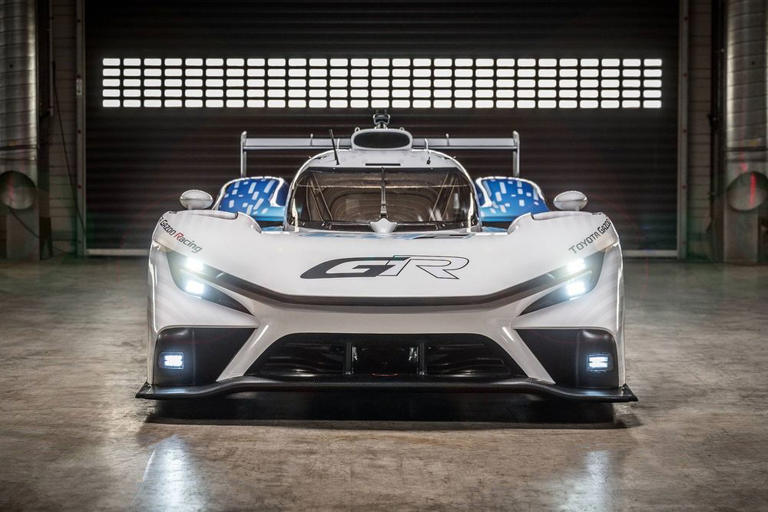
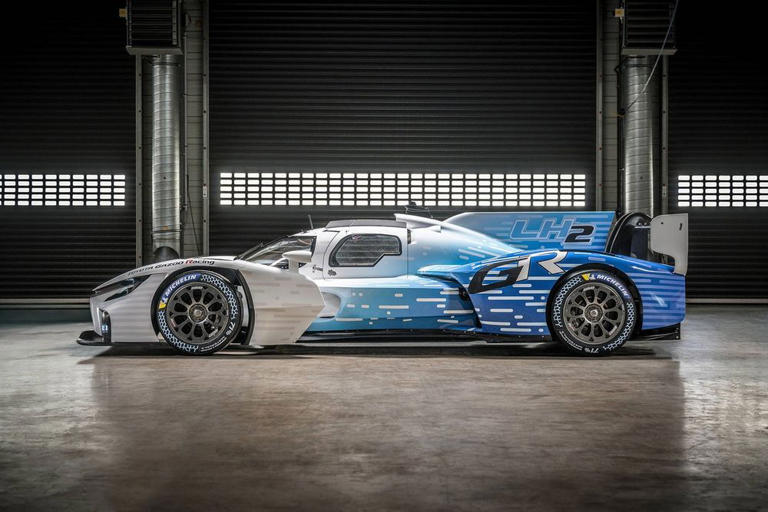
In a groundbreaking moment that could shape the future of motorsports and sustainable mobility, Toyota Motor Corporation has officially revealed a hydrogen-powered race car during the prestigious Le Mans 24 Hours weekend. The unveiling marked a bold step toward zero-emission endurance racing and reinforced Toyota’s global commitment to carbon neutrality without compromising on performance, innovation, or the spirit of competition.
The hydrogen-powered prototype, based on Toyota’s GR (Gazoo Racing) performance line, was displayed at the Circuit de la Sarthe ahead of the iconic endurance race. While the car is not yet a competitive entry in the main event, it represents a pivotal test platform in Toyota’s research into alternative fuel technology—specifically, hydrogen internal combustion engines.
A Glimpse Into the Future of Green Motorsport
Toyota’s announcement comes as automakers and racing teams worldwide grapple with growing regulatory pressure and environmental responsibility. With electric mobility on the rise, Toyota is choosing a parallel path: using hydrogen, a clean-burning fuel, to keep internal combustion alive—this time in a far more sustainable form.
Speaking at the reveal event, Koji Sato, Toyota’s President and CEO, emphasized the significance of the project:
“Le Mans has always been a proving ground for endurance, innovation, and pushing the limits of technology. Today, we show the world that high-performance racing and sustainability can coexist. Our hydrogen-powered racer is not just a concept—it’s a commitment.”
The racer is powered by a hydrogen combustion engine, not a hydrogen fuel cell like those used in some electric vehicles. This allows the car to retain the raw sound and mechanical feeling of traditional racing while emitting significantly fewer carbon emissions.
Design, Specs, and Performance Aspirations
Though exact performance specifications are still under wraps, Toyota has confirmed that the hydrogen-powered race car is based on a modified version of its GR Yaris H2, previously tested in the Japanese Super Taikyu Series. The Le Mans variant features an aggressive aerodynamic design, an enhanced fuel delivery system for gaseous hydrogen, and safety mechanisms tailored for high-speed endurance environments.
Some anticipated features include:
-
Turbocharged 3-cylinder hydrogen combustion engine
-
Modified high-pressure hydrogen tanks
-
Advanced telemetry and thermal management systems
-
Driver-focused cockpit layout with race-ready ergonomics
Engineers behind the project stated that their goal was not only emissions reduction but also to preserve the visceral excitement of racing. Early simulations suggest performance parity with traditional petrol-powered counterparts, with ongoing refinements expected to close any remaining gap.
Toyota’s Le Mans Legacy and Hydrogen Vision
Toyota is no stranger to success at Le Mans. With multiple victories in the hybrid-powered Toyota GR010 Hybrid, the automaker has already established itself as a tech-forward endurance racing powerhouse. The addition of a hydrogen-powered racer is seen as the next logical evolution in Toyota’s racing narrative.
This initiative is part of Toyota’s broader hydrogen roadmap, which includes passenger vehicles like the Mirai, heavy-duty fuel cell trucks, and partnerships for building hydrogen infrastructure in Europe and Asia. With the motorsport adaptation, Toyota hopes to speed up innovation and public acceptance of hydrogen-powered mobility.
Pascal Vasselon, Technical Director at Toyota Gazoo Racing Europe, added:
“Hydrogen combustion technology still faces challenges in terms of refueling logistics and energy density, but motorsport gives us a platform to accelerate learning. What we test at Le Mans today can power our cities tomorrow.”
Global Implications and Motorsport’s Green Shift
The unveiling comes amid wider efforts by the Automobile Club de l’Ouest (ACO)—organizers of Le Mans—to introduce hydrogen-powered race cars into the official 24 Hours race by 2030. Toyota’s hydrogen debut is seen as a signal to the rest of the industry that hydrogen has a real, competitive future in endurance racing.
Reactions from motorsport fans, environmental advocates, and industry leaders have been largely positive, applauding Toyota’s balance between innovation and tradition.
A Pioneering Move
Toyota’s reveal of its hydrogen-powered race car during the Le Mans 24 Hours weekend is more than just a tech showcase—it’s a statement. A statement that racing doesn’t have to abandon its soul to go green. That speed, sound, and sustainability can intersect. That the roar of engines doesn’t have to mean a cloud of carbon.
As the engines fired and the hydrogen prototype roared to life in front of an astonished global audience, it became clear: the race toward the future just got a lot more exciting.