By Gloria Nosa
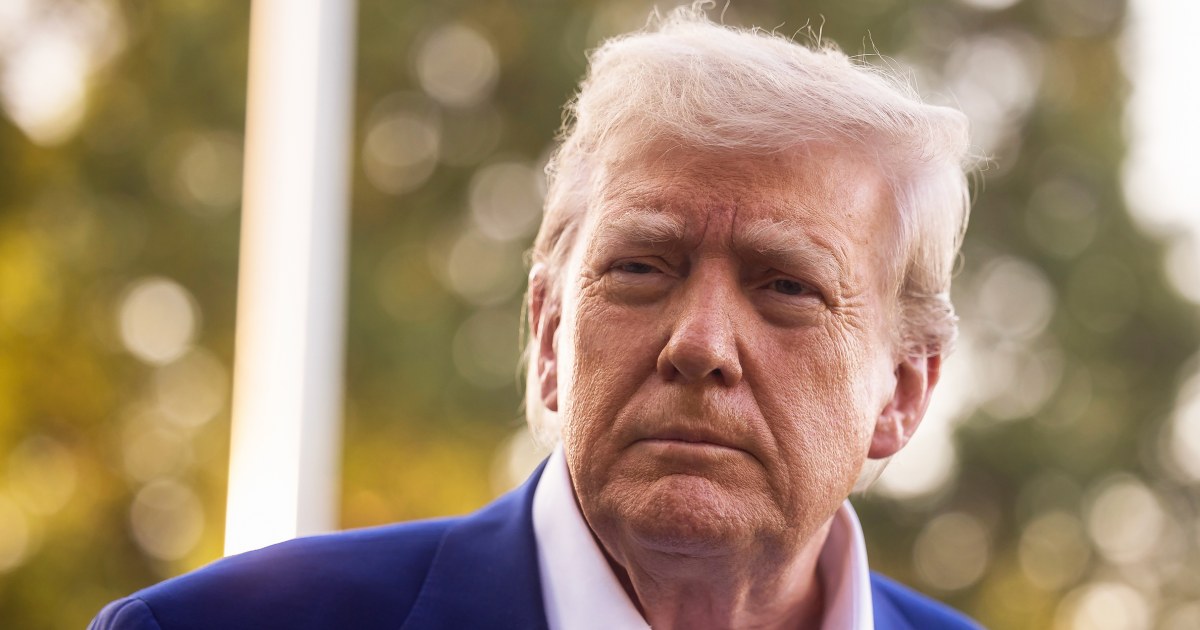
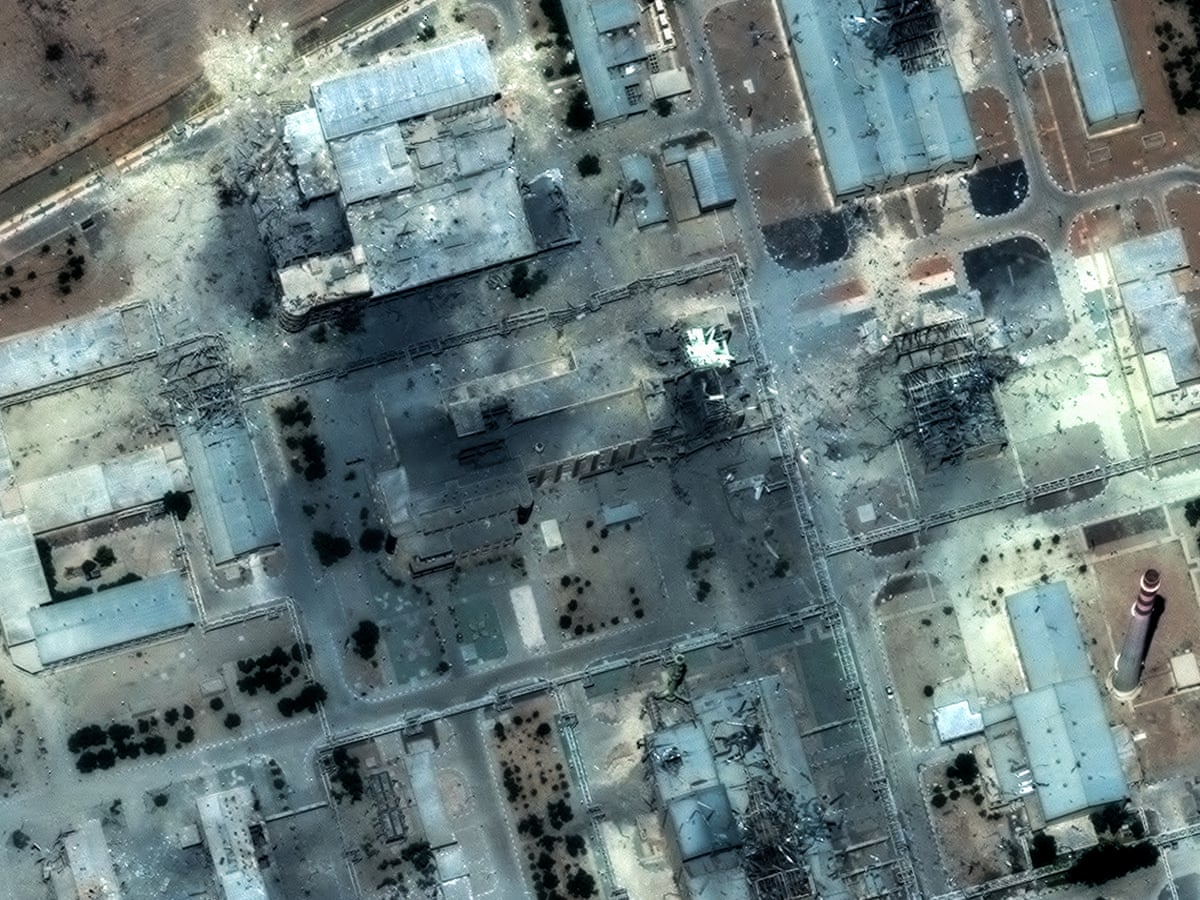
A newly declassified U.S. intelligence report has revealed that the military strikes ordered by former President Donald Trump against Iranian nuclear facilities failed to significantly disrupt or destroy the country’s nuclear program. The findings, which are part of a broader intelligence reassessment of Iran’s capabilities and intentions, suggest that the high-profile operations during Trump’s presidency had limited long-term strategic impact.
The report contradicts earlier claims made by Trump administration officials who publicly touted the strikes as a major blow to Iran’s nuclear ambitions. According to the intelligence assessment, while the operations may have caused temporary delays and equipment damage, Iran’s core infrastructure, knowledge base, and enrichment capabilities remained largely intact.
Tactical Gains, Strategic Limits
The Trump-era strikes included targeted attacks on key sites linked to uranium enrichment and weapons research, most notably the January 2020 drone strike that killed General Qassem Soleimani, a key figure in Iran’s military command, as well as cyberattacks and suspected Israeli-coordinated sabotage at facilities like Natanz.
However, U.S. intelligence analysts now conclude that these actions only achieved short-term tactical gains. The report notes:
“Iran was able to restore most of its nuclear infrastructure within months. The technical expertise and domestic production capacity required for the program were never significantly disrupted.”
The assessment also underscores Iran’s resilience in the face of external pressure, pointing out that Tehran continued to expand its nuclear activities despite intensified sanctions, cyber sabotage, and international isolation.
Political Repercussions and Global Reactions
The revelations come at a time when tensions remain high between Iran and Western powers, particularly as the Islamic Republic ramps up uranium enrichment levels. U.S. allies in Europe have expressed growing concern over the apparent failure to curb Iran’s program through force or maximum pressure campaigns.
Critics of Trump’s foreign policy have seized on the report as further evidence that the administration’s hardline approach was more performative than productive.
“What we’re seeing is that military solutions to nuclear proliferation are rarely sufficient without sustained diplomacy,” said a former senior intelligence official familiar with the report.
Democratic lawmakers have called for renewed diplomatic engagement with Iran, suggesting that a return to multilateral negotiations — such as those under the 2015 Joint Comprehensive Plan of Action (JCPOA), which Trump abandoned in 2018 — may be the only viable path forward.
Trump Camp Defends Record
Despite the findings, allies of the former president have dismissed the report’s implications. In a statement, a spokesperson for Trump defended the actions taken during his administration as necessary for U.S. national security, asserting that the strikes served as a deterrent against further Iranian aggression in the region.
“President Trump made it clear that the United States would not tolerate Iran’s threats to peace and stability. Any suggestion that his strong stance failed is revisionist and politically motivated,” the spokesperson said.
Looking Ahead
As the Biden administration faces pressure to respond to Iran’s accelerating nuclear advances, the intelligence report serves as a sobering reminder of the limits of military action in achieving long-term nonproliferation goals. U.S. officials have not ruled out any options but have signaled a preference for renewed diplomacy, provided Iran is willing to re-engage in good faith.
For now, the revelations from this report may shift the policy debate in Washington and reignite questions about the effectiveness of the so-called “maximum pressure” doctrine. As Iran inches closer to weapons-grade enrichment levels, the global community is left grappling with an unresolved nuclear challenge — one that remains dangerously resilient, despite years of effort to dismantle it by force.