

By Gloria Nosa
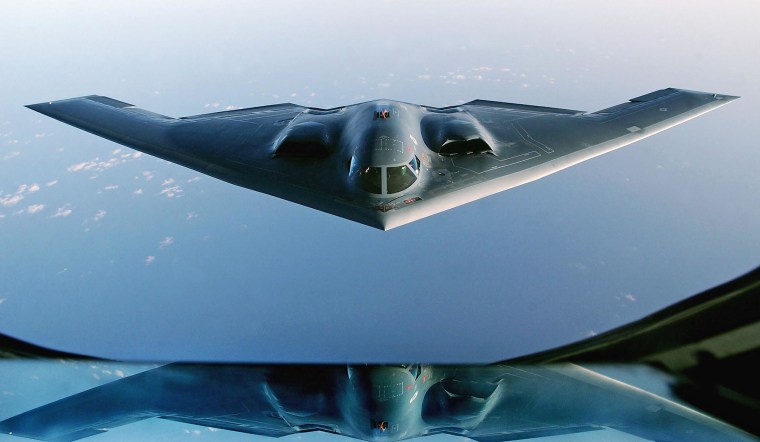
Amid escalating tensions in the Middle East, the United States has begun evacuating its citizens from Israel as President Donald Trump orders the deployment of B-2 stealth bombers to the region. The decision marks a dramatic escalation in the growing conflict and signals Washington’s readiness to respond to what Trump described as “an imminent threat to American interests and regional stability.”
Urgent Evacuation Measures
The U.S. State Department issued an urgent travel advisory late last night, instructing all American citizens residing in or visiting Israel to depart the country immediately. Commercial flights are being supplemented with government-chartered aircraft as thousands rush to leave amid fears of a full-scale regional war.
Evacuation centers have been set up at Ben Gurion International Airport and several U.S. consulates across Israel, where embassy officials are assisting with documentation, transportation, and emergency coordination. Lines of worried American families, some with young children, could be seen boarding outbound flights under tight security.
Pentagon sources confirmed that the evacuation order came directly from the White House following intelligence reports of a possible retaliatory attack targeting Western assets in Israel, including diplomatic missions and military outposts.
Trump Orders Military Escalation
President Trump addressed the nation from the White House, stating that the deployment of B-2 stealth bombers was a “measured and necessary step” to defend U.S. allies and deter aggression. The B-2s, known for their long-range precision strike capability and low radar visibility, have been stationed at undisclosed air bases across the Mediterranean and the Persian Gulf.
“The United States will not be intimidated. We will protect our people, and we will support our friends,” Trump declared. “Let this be a message to those who threaten Israel and seek chaos in the Middle East: the full weight of American resolve stands ready.”
This marks the first time since the 2020s that B-2 bombers have been deployed to the region in such a high-profile manner, underscoring the gravity of the situation.
Netanyahu Issues Stark Warning
Israeli Prime Minister Benjamin Netanyahu also issued a strongly worded statement in response to the unfolding crisis. Without naming a specific actor, he warned Israel’s enemies “not to test our patience” and assured the public that the Israeli Defense Forces (IDF) are on “high alert across all borders.”
“Our partnership with the United States has never been stronger,” Netanyahu said. “Israel will defend itself by any means necessary.”
Military forces in Israel have reportedly begun mobilizing in key areas, including the northern border with Lebanon, where tensions with Hezbollah have been mounting, and southern fronts near Gaza.
Regional Fallout and Global Concern
The moves by Washington and Jerusalem have raised alarm among international observers and humanitarian agencies, many of whom warn that the region could be heading toward a wider war. Iran and its regional allies have condemned the deployment of U.S. bombers as “provocative and dangerous,” with threats of “direct consequences.”
China and Russia have urged both sides to de-escalate, while the United Nations has called an emergency Security Council session to address the crisis. Oil prices spiked sharply in response to the news, reflecting global anxiety about the potential disruption of Middle East energy supplies.
What Comes Next?
While the evacuation and military buildup are described as “precautionary,” many analysts view them as early signs of an unfolding military confrontation. With U.S. citizens being airlifted out and American stealth bombers now within striking range, the geopolitical stakes are higher than ever.
Whether this is a show of force meant to deter further escalation—or the beginning of direct military engagement—remains to be seen. One thing is clear: the U.S.–Israel alliance is bracing for a potentially volatile chapter in Middle East history.

