

By Gloria Nosa
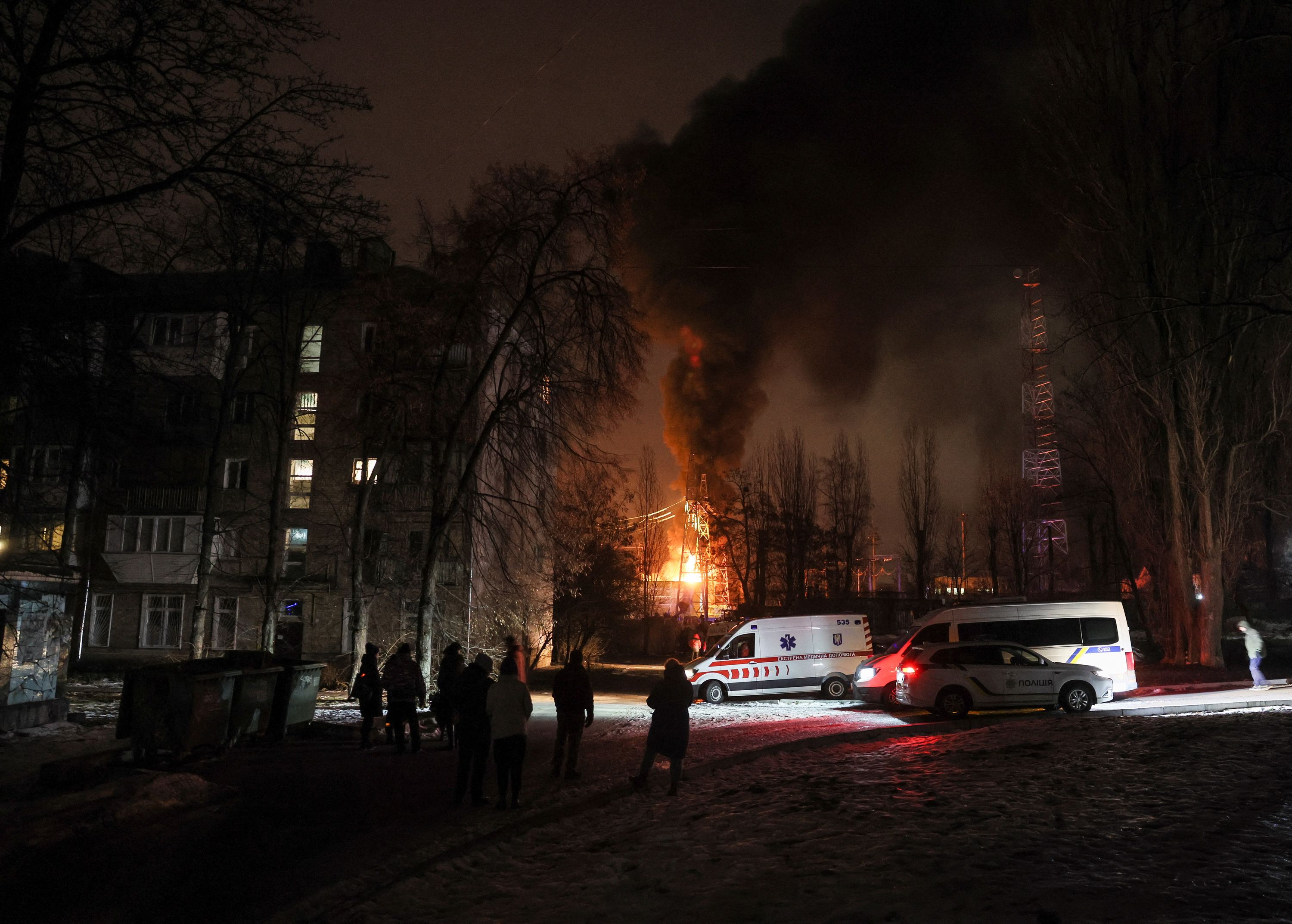
In one of the most intense aerial assaults since the war began, Russia launched a staggering 400 drones across Ukrainian territory overnight, plunging cities into darkness, overwhelming air defense systems, and further escalating the nearly three-year-long conflict. Ukrainian officials described the attack as a “night of horror,” with civilian infrastructure, power facilities, and residential neighborhoods targeted across multiple regions.
An Unprecedented Drone Onslaught
The drone barrage—primarily composed of Iranian-made Shahed drones—was launched in waves throughout the night, beginning around 10:00 p.m. and continuing into the early hours of the morning. Explosions and sirens echoed through major cities including Kyiv, Kharkiv, Odesa, and Dnipro, as Ukrainian air defenses scrambled to intercept the incoming swarm.
According to Ukraine’s Air Force Command, more than 320 drones were successfully intercepted, but dozens managed to breach the country’s air defenses, causing significant damage and casualties. Residential buildings in several cities were hit, sparking fires and widespread panic among residents who sought shelter in underground bunkers and metro stations.
Casualties and Infrastructure Damage
Early reports from Ukraine’s State Emergency Service confirmed at least 18 people killed and over 50 injured, with the death toll expected to rise as rescue operations continue. In the Kyiv region alone, three power substations were struck, leaving more than 600,000 residents without electricity. Hospitals in some parts of eastern Ukraine were forced to rely on backup generators to sustain critical care.
In Odesa, a fuel depot was engulfed in flames after a direct hit, triggering a massive explosion that lit up the night sky. Videos circulating on social media show plumes of smoke and fireballs erupting as drones struck key targets.
Ukraine’s Response and Resilience
President Volodymyr Zelenskyy condemned the attack, calling it “Russia’s largest drone terror operation” to date. In a televised address, he vowed that Ukraine’s spirit would not be broken.
“They want to paralyze our cities and break our will—but we are stronger. We will rebuild, we will defend, and we will prevail.”
Ukrainian military officials also acknowledged that the scale of the assault highlighted the urgent need for more advanced air defense systems, including additional Patriot and NASAMS batteries from Western allies. They reiterated calls for accelerated delivery of promised military aid to bolster defenses ahead of what could be a broader summer offensive.

International Condemnation
The international community has reacted swiftly, with NATO Secretary-General Jens Stoltenberg condemning the drone strike as a blatant violation of international law.
“This attack is a grim reminder of the urgent need to support Ukraine’s defense. Civilian lives and critical infrastructure continue to be deliberately targeted,” he said.
The United Nations Security Council has scheduled an emergency meeting to address the latest escalation, while leaders from the EU and the United States pledged continued support for Ukraine, including new shipments of air defense equipment and humanitarian aid.
The Evolving Drone Warfare Landscape
Russia’s reliance on drones has intensified in recent months, as they are cheaper to deploy than missiles and harder to detect in large numbers. Military analysts warn that saturation tactics—overwhelming air defenses with sheer volume—could become a regular feature of Russia’s strategy, especially as Western support remains slow and fragmented.
Ukraine, in turn, has developed its own fleet of drones and is increasingly striking back at Russian military installations and supply chains deep behind enemy lines. However, with Russia’s latest overnight offensive, the balance of power in the skies remains a dangerous and shifting front.
What’s Next
As Ukraine assesses the full scale of destruction and continues search and rescue operations, fears are growing that this assault could be the start of a renewed Russian push. Ukrainian officials warn that further mass drone strikes could follow, especially if Moscow believes that Western hesitation on aid can be exploited.
For millions of Ukrainians, last night was another reminder that the war is far from over—and the battle for control over Ukrainian skies is growing fiercer with every passing day.


