

By Gloria Nosa
A Potential Turning Point
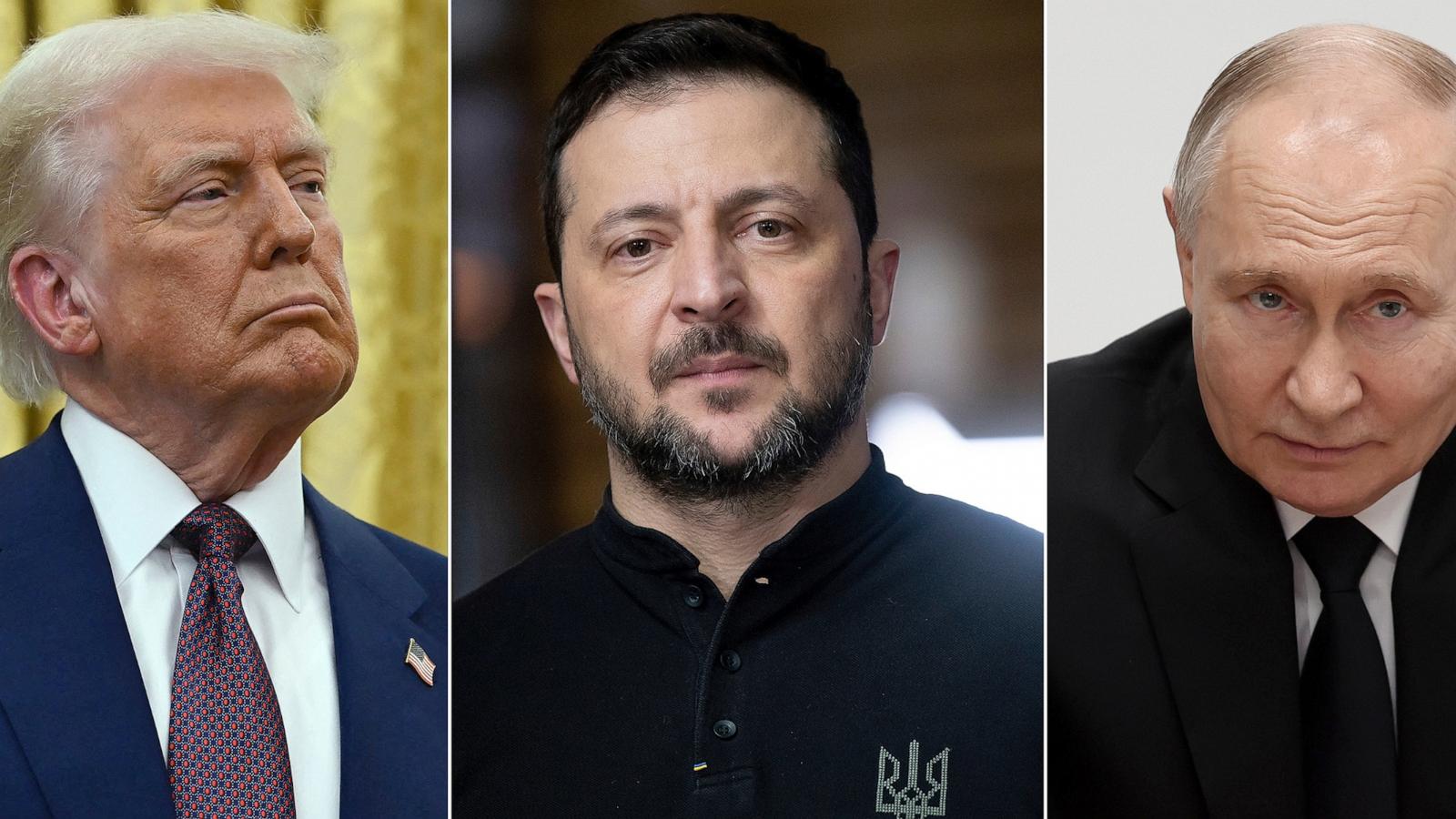
Ukrainian President Volodymyr Zelensky has declared he is ready to join former U.S. President Donald Trump and Russian President Vladimir Putin at a trilateral summit aimed at ending the war in Ukraine.
The pledge came after Zelensky’s hastily arranged talks with Trump at the White House on Sunday, a meeting that followed Trump’s direct engagement with Putin in Alaska just two days earlier. When asked about the prospect of a three-way summit, Zelensky did not hesitate: “We are ready for trilateral,” he said, as reported by The Independent.
The Oval Office discussions marked a noticeable shift in tone from the last time Trump and Zelensky met in February, when the talks were tense and inconclusive. This time, the atmosphere was described as “cordial” and “focused,” with both leaders projecting unity in the face of a war that has raged for more than three years.
Trump, addressing reporters afterwards, expressed optimism. “We’re going to work with Ukraine. We’re going to work with everybody, and we’re going to make sure that if there’s peace, the peace is going to stay long term,” he said. “We’re not talking about a two-year peace. We’re going to work with Russia. We’re going to work with Ukraine. We’re going to make sure it works. And I think if we can get to peace, it’s going to work. I have no doubt about it.”
His comments raised expectations that a Trump-led diplomatic push—backed by European allies—could open the door to what many believe is the first serious window for negotiations since Russia’s full-scale invasion began in February 2022.
Moscow Pushes Back, Europe Steps Forward
Despite the optimism in Washington, the Kremlin was quick to pour cold water on speculation that a trilateral peace framework was imminent. In a statement issued Monday morning, Moscow insisted it would “oppose any scenarios that place NATO troops in Ukraine,” undercutting suggestions that Putin might be prepared to accept Western-backed security guarantees for Kyiv.
Pressed on the issue, Trump sought to balance firmness with caution. He acknowledged that any settlement would have to address Ukraine’s long-term security needs but emphasized that Europe must take the lead. “There will be a lot of help when it comes to security,” Trump said. “But Europe will be the first line of defence, and the United States will be there for support.”
He also hinted that Ukraine’s long-sought NATO membership remained unlikely. “We’re going to be discussing it today, but we will give them very good protection, very good security,” he said—language that stopped short of endorsing Ukraine’s accession to the alliance.
Meanwhile, European leaders gathered in Washington signalled strong support for a ceasefire as a necessary precondition to any trilateral summit. German Chancellor Friedrich Mertz called a ceasefire “essential to rebuilding trust and creating the space for dialogue,” while French President Emmanuel Macron suggested widening the talks into a four-party summit, arguing that “Europe’s security is inseparable from Ukraine’s peace.”
Leaders from the UK, Italy, Finland, and the EU also backed the idea of sustained negotiations, with NATO Secretary-General Jens Stoltenberg stressing the alliance’s unified commitment to ensuring that “any peace must be just, sustainable, and respect Ukraine’s sovereignty.”
Zelensky’s Appeal for a “Dignified Peace”
For Zelensky, the meetings in Washington represented both an opportunity and a challenge. While his government has long maintained that peace talks should not come at the expense of Ukraine’s territorial integrity, his recent statements suggest a willingness to consider new diplomatic pathways.
Ahead of his talks with Trump, the Ukrainian president posted a message on social media underscoring his sense of urgency. “We must stop the killings, and I thank our partners who are working toward this and ultimately toward a reliable and dignified peace. Ukraine is ready for a real truce and for establishing a new security architecture. We need peace.”
The words were widely interpreted as a signal that Kyiv is prepared to embrace negotiations more openly than before, provided any agreement preserves Ukraine’s sovereignty and offers robust protections against future Russian aggression.
Atalysts note that Zelensky faces mounting pressure on multiple fronts: a grinding battlefield stalemate, a war-weary population, and the constant balancing act of sustaining Western support. Trump’s re-emergence as a central figure in U.S. foreign policy—alongside his direct engagement with Putin—could accelerate diplomatic efforts but also complicate Kyiv’s leverage at the negotiating table.
Whether a Trump–Putin–Zelensky summit materializes remains uncertain. Yet the fact that all three leaders are now speaking openly about the possibility of talks has injected a new sense of momentum into peace efforts, even as deep divisions remain unresolved.
For Ukrainians enduring the daily toll of war, Zelensky’s words reflect a simple but urgent reality: the need for peace is no longer an abstract hope, but a pressing necessity.

