

By John Umeh
Residents of several communities in Sokoto and Kwara states were thrown into fear and confusion following a series of explosions linked to United States military airstrikes carried out during the Christmas period.
The blasts, which occurred late Thursday night, were first reported in Jabo town in Tambuwal Local Government Area of Sokoto State. Hours later, two additional explosions were recorded in Offa, Kwara State, while another blast was also reported in Tangaza Local Government Area of Sokoto.
Despite the intensity of the explosions, security sources and local authorities confirmed that no fatalities were recorded in Sokoto, though property damage and injuries were reported in Kwara.
Trump Confirms Military Action
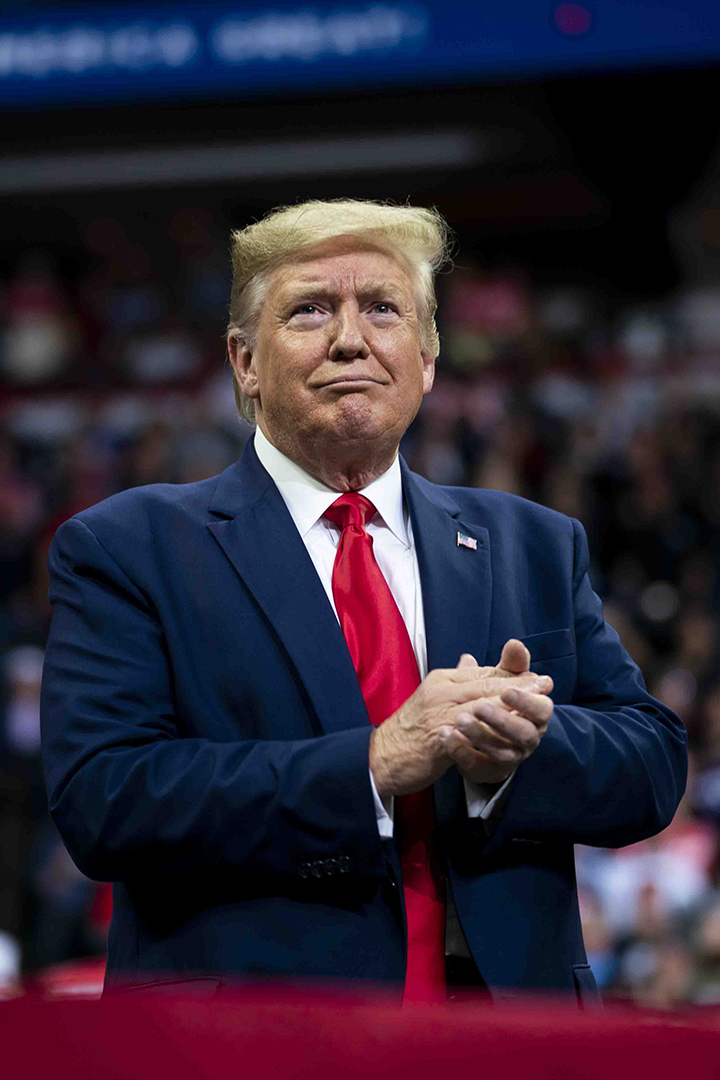
US President Donald Trump publicly acknowledged the operation, announcing that American forces had launched strikes against suspected Islamic State-linked fighters operating in northwestern Nigeria.
In a statement shared on his social media platform, Trump said the operation targeted extremist groups accused of violent attacks on civilians. While he did not specify exact locations, the US Africa Command later confirmed that the strikes were conducted within Sokoto State.
The action followed earlier threats by Trump to intervene militarily in Nigeria if attacks attributed to extremist groups continued unabated.
Conflicting Accounts Over Casualties
Initial reports from Nigerian military sources suggested that the strikes did not result in any confirmed terrorist casualties. A senior security official disclosed that the operation involved long-range missile launches believed to have originated from a US naval vessel offshore, but added that the intended targets may have been missed.
Another source familiar with the operation said several strikes were carried out, though the full extent of the damage remained unclear. The source added that further operations could follow.
However, US Africa Command later stated that an early assessment indicated that “multiple” Islamic State fighters were killed. According to international media reports, more than a dozen Tomahawk cruise missiles were reportedly launched from a US Navy ship in the Gulf of Guinea, hitting two suspected militant camps in Sokoto.
Tangaza Officials Speak on Targeted Locations
Local government officials in Tangaza confirmed that suspected hideouts of the Lakurawa group were among the targets. The Lakurawa faction is believed to be linked to the Islamic State Sahel Province and has been accused of cross-border attacks in communities along Nigeria’s frontier with Niger Republic.
Officials said the strikes affected parts of Warriya and Alkasim villages between late Thursday night and early Friday morning. The group has been blamed for repeated attacks in Sokoto, Kebbi and surrounding regions, prompting sustained military operations.
Federal Government Confirms Coordination
Nigeria’s Federal Government acknowledged that the airstrikes were carried out through coordinated security cooperation with the United States.
The Ministry of Foreign Affairs said the operation followed intelligence sharing and strategic coordination, stressing that Nigeria’s sovereignty was respected throughout the process.
Speaking in an international media interview, Foreign Affairs Minister Yusuf Tuggar confirmed that President Bola Tinubu authorised the operation after consultations with US officials. He said the strikes were part of Nigeria’s broader counterterrorism strategy and not motivated by religion.
“These actions are about protecting innocent Nigerians and stabilising the region,” Tuggar said, adding that Nigeria remains open to collaborating with international partners committed to combating terrorism.
Night of Fear in Sokoto Communities
Residents of Jabo town described a terrifying night marked by a loud, unfamiliar explosion that shook buildings and sent people rushing outdoors.
The district head of Jabo said residents initially feared an aircraft crash due to the intensity of the blast. Metallic fragments were later discovered scattered near farmlands and behind a hospital, prompting security agencies to cordon off the area.
Police bomb disposal units were deployed to investigate the debris, though officials said it was too early to determine the exact nature of the device involved.
Despite the panic, no deaths or serious injuries were recorded in the Sokoto incidents, though some farmlands were damaged.
Offa Counts Losses After Explosions
In Offa, Kwara State, the situation was more severe. Two explosions occurred near a prayer ground and close to a hotel, damaging homes, shops, and workshops.
Several residents sustained injuries, while property worth millions of naira was destroyed. Witnesses described scenes of chaos as buildings shook and debris flew into nearby streets.
Survivors recounted narrow escapes as walls collapsed and roofs were blown off. Security agencies later discovered an undetonated object near the second blast site, forcing an immediate lockdown of the area.
Business owners said the explosions wiped out their livelihoods, destroying equipment, furniture, and personal belongings. Some victims said they had no means to seek medical care after sustaining injuries.
Missile Component Theory Raises Questions
Security officials suggested that what struck parts of Offa may not have been a conventional bomb but debris from a missile used during the Sokoto operation.
While this claim has not been officially confirmed, it intensified public concern, with many questioning how missile components could travel such a long distance.
Kwara State police confirmed the incidents but said investigations were ongoing. As of the time of reporting, neither Nigerian military authorities nor the US government had formally linked the Offa explosions to the Sokoto airstrikes.
Political and Religious Reactions
Opposition voices criticised the strikes, describing them as evidence of deeper security failures and warning against the long-term implications of foreign military involvement.
Former Sokoto State governor Aminu Tambuwal urged residents to remain calm amid rising anxiety.
Islamic cleric Sheikh Ahmad Gumi also criticised the operation, arguing that counterterrorism efforts should be led domestically rather than by foreign powers. He warned that external military action could worsen divisions and called for alternative international partnerships.
Unanswered Questions Remain
As investigations continue, many questions remain about the full impact of the airstrikes, the accuracy of intelligence used, and the link between the explosions in different states.
For affected communities, however, the fear, destruction, and uncertainty left behind have already reshaped what was meant to be a peaceful holiday season.

