

By Gloria Nosa
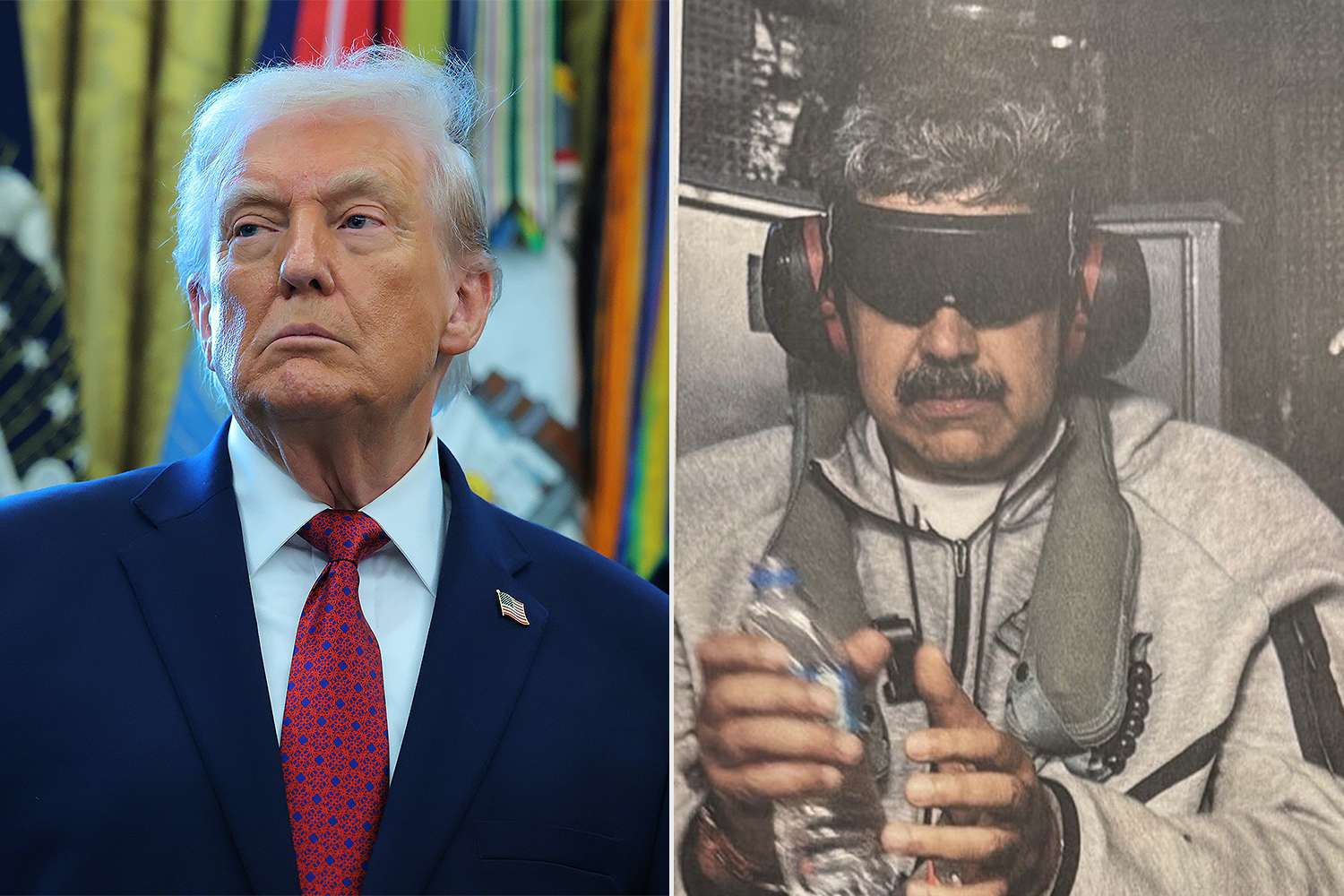
The United States Senate on Thursday delivered a rare bipartisan challenge to President Donald Trump, advancing a resolution aimed at limiting his authority to conduct military operations in Venezuela without congressional approval.
The Democratic-sponsored measure, which would block further US hostilities against Venezuela unless explicitly authorised by Congress, cleared a crucial procedural hurdle with the backing of five Republican senators. A final vote on the resolution is expected next week and is widely seen as assured.
If passed, the move would represent one of Congress’s strongest assertions of its constitutional war-making powers in decades, following growing unease over the administration’s recent military actions, including air and naval strikes and the covert seizure of Venezuelan leader Nicolás Maduro in Caracas.
Despite its momentum in the Senate, the resolution faces long odds of becoming law. It is expected to encounter resistance in the Republican-controlled House and is almost certain to be vetoed by President Trump.
Lawmakers from both parties said the scale and nature of the operation went far beyond a limited law-enforcement mission and amounted to an undeclared war.
“Bombing another nation’s capital and removing its leader is an act of war—plain and simple,” said Senator Rand Paul of Kentucky, one of the Republican co-sponsors of the measure. “No provision of the Constitution grants the president unilateral authority to do that.”
The administration has defended its actions, arguing that the operation against Maduro was legally justified as part of a broader campaign targeting transnational drug trafficking networks, which it has designated as terrorist organisations.
However, Democrats described the resolution as a constitutional stand after what they called months of misleading briefings from the White House, including assurances as recently as November that no military strikes on Venezuelan territory were being planned.
Adding to the controversy, President Trump said in an interview published Thursday that the United States could directly oversee Venezuela for years and exploit its vast oil reserves, telling The New York Times that “only time will tell” how long Washington’s involvement would last.
Republican leadership largely rallied behind the president, praising his decisive action. Senator Markwayne Mullin of Oklahoma said Trump succeeded where past administrations hesitated.
“This is something that probably should have happened years ago,” Mullin said. “Only President Trump had the backbone to remove an indicted, illegitimate leader who was holding Venezuela hostage.”
Since Trump’s return to office, similar war-powers resolutions related to Venezuela have been defeated twice in the Senate and twice in the House, highlighting the political difficulty of restraining presidential military authority.
Over the past century, only one such effort—the 1973 War Powers Resolution, passed over President Richard Nixon’s veto—has successfully imposed a lasting check on unilateral military action by the White House.


