
By Freedom Beye

Dogs don’t speak our language, but they are constantly talking to us in their own way. From the tilt of their head to the wag of their tail, every little action carries meaning. Unfortunately, many pet owners overlook these subtle cues or misinterpret them. Understanding your dog’s behavior isn’t just fascinating—it can help strengthen your bond and even prevent health or emotional issues from going unnoticed.
Here are some surprising insights into what your four-legged friend may be trying to tell you.
1. The Staring Game
When your dog fixes their eyes on you with a soft gaze, they’re not just watching you—they’re bonding with you. Eye contact releases oxytocin, the “love hormone,” in both dogs and humans.
2. The Quiet Grumble
A growl doesn’t always mean aggression. Sometimes it’s your dog’s polite way of saying, “I’m uncomfortable.” Think of it as an early warning before stress turns into something more serious.
3. The Bathroom Buddy
Ever wonder why your dog insists on following you everywhere—even to the toilet? It’s rooted in pack instincts. To them, being near you is security, and they don’t understand why you’d ever want privacy.
4. The Reluctant Hugger
Some dogs adore being scooped up, while others feel trapped when held too tightly. Pay attention to their ears, tail, and body stiffness—they’ll let you know if your hugs are welcome or not.
5. Chocolate Temptation
Dogs have no idea that chocolate is toxic, but you do. The darker the chocolate, the more dangerous it is, and small breeds are especially at risk. Never brush it off—if your pup sneaks some, get to a vet fast.
6. The Tilted Head
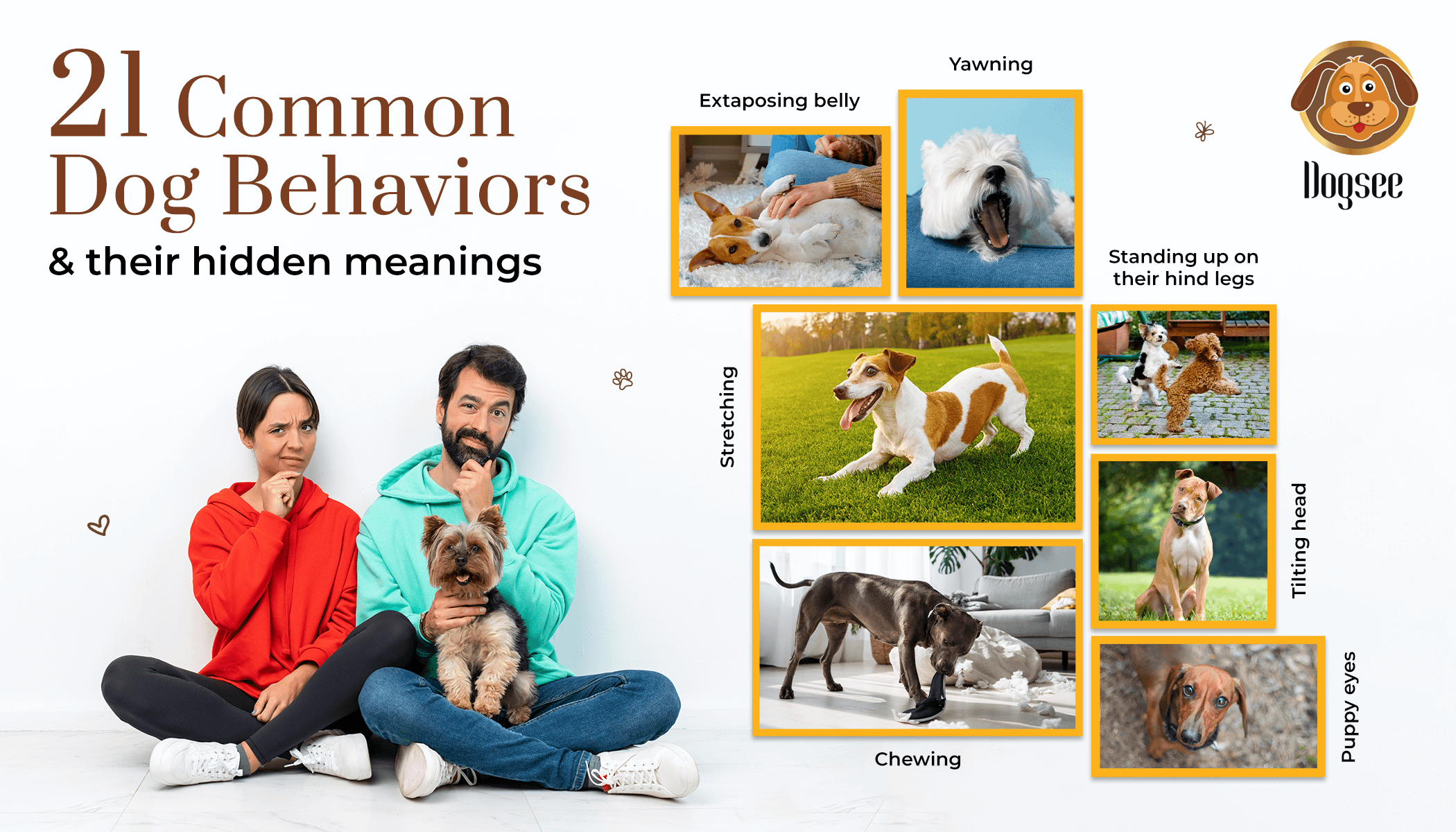
That adorable head tilt isn’t just for cuteness—it helps your dog better locate sounds and read your expressions. They’re trying to understand you more clearly.
7. The Sudden Zoomies
If your dog suddenly bolts around the house like a rocket, don’t panic. It’s called a “zoomie,” and it usually means they’re burning off excess energy or celebrating pure joy.
8. The Constant Pawing
When your dog places a paw on you, it’s often a request for attention or reassurance. Sometimes, it’s simply their way of saying, “I’m here—don’t forget me.”
9. Refusing Food
Skipping meals can mean more than pickiness. Stress, discomfort, or underlying health problems might be the cause. Never ignore changes in eating habits.
10. Tail Language
A wagging tail doesn’t always mean happiness—it depends on speed, height, and stiffness. A high, stiff wag may signal alertness or agitation, while a low, slow wag usually shows calm affection.
Dogs are incredible communicators—you just have to learn their language. By tuning into these behaviors, you’re not only deepening your connection but also making sure your best friend feels safe, understood, and loved.