
By Jolomi Igiehon
Guest Health Writer
A Forgotten Spot with a Dirty Secret
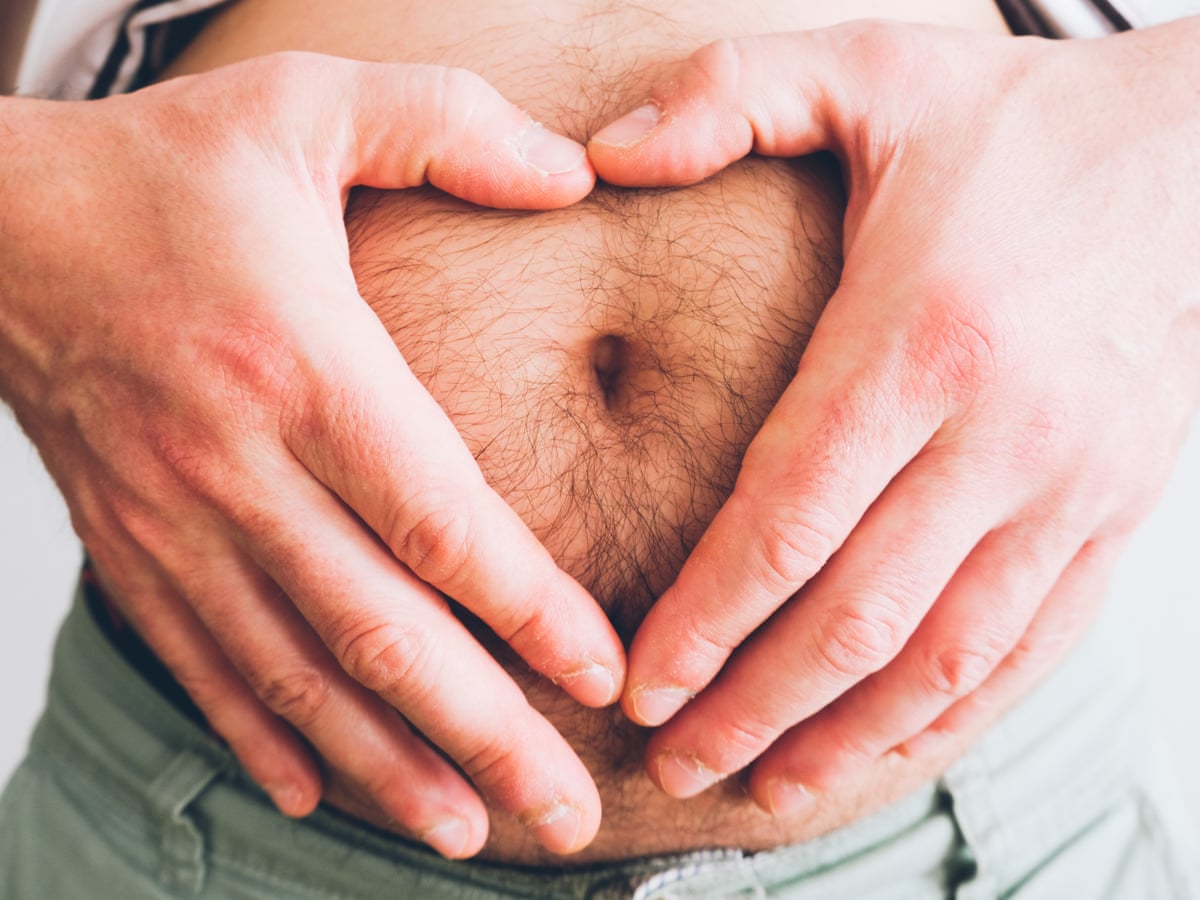
The human body has many areas that require regular cleaning, but one spot often overlooked is the belly button—also known medically as the navel or umbilicus. Though small and seemingly insignificant, the navel can harbor an impressive array of dirt, debris, sweat, oils, and bacteria. Many people are surprised to find just how dirty their belly button can get, even with regular showers. But why is this the case?
This write-up explores the science behind belly button buildup, what exactly lurks inside, and how to properly care for this tiny but important part of the body.
The Anatomy of a Belly Button
The belly button is the scar left behind after the umbilical cord, which connected a baby to the placenta in the womb, is cut and heals. It comes in various shapes and depths—“innies” being the most common, followed by “outies.” The structure and depth of a belly button can affect how much dirt and debris it collects.
Innie belly buttons, being recessed, are more likely to trap:
-
Dead skin cells
-
Body oils (sebum)
-
Fabric lint
-
Sweat
-
Bacteria and fungi
These components accumulate over time, particularly when the belly button isn’t cleaned regularly.
What’s Really Lurking in There?
Scientific research has revealed some fascinating facts about what’s living—and growing—inside your belly button.
1. Bacteria
In 2012, researchers at North Carolina State University conducted the Belly Button Biodiversity Project. They discovered that the average human navel hosts dozens to hundreds of bacterial species, some of which are rare or even previously unknown to science. These microbes thrive on the oils and dead skin cells your body naturally produces.
2. Lint and Fibers
Lint from clothing is one of the most common forms of belly button debris. Body hair often funnels fibers into the navel, especially in men with more abdominal hair. Cotton shirts, sweaters, and towels can contribute to this build-up.
3. Dead Skin and Sebum
Your skin sheds continuously, and in crevices like the belly button, dead skin cells can become trapped. Sebum, an oily secretion from sebaceous glands, can also collect here, creating a moist environment perfect for microbial growth.
4. Fungi and Yeast
Warm, moist environments like the belly button can encourage the growth of yeast and fungi, particularly in people with poor hygiene, diabetes, or obesity.
5. Odor-Causing Compounds
The mixture of bacteria, sweat, oils, and debris can sometimes lead to bad smells emanating from the navel. Anaerobic bacteria (those that thrive in low oxygen environments) can produce foul-smelling sulfur compounds.
Why It Gets So Dirty—Even with Regular Showers
Despite daily bathing, the belly button can remain dirty for several reasons:
-
Neglect: People rarely scrub or rinse their navels intentionally.
-
Shape and Depth: Deeper belly buttons trap more material.
-
Limited Water Access: Water and soap may not reach deeply recessed navels.
-
Clothing Choices: Tight or fibrous clothes increase lint and sweat accumulation.
Infrequent cleaning allows build-up to harden into what some refer to as navel stones (omphaloliths)—firm masses that require careful removal, sometimes even by a doctor.
Health Risks of a Dirty Navel
While a bit of lint or dead skin isn’t typically dangerous, poor hygiene can lead to:
-
Infections (bacterial or fungal): Redness, swelling, foul odor, and discharge are common symptoms.
-
Cysts or abscesses: Particularly in people with body piercings or underlying skin conditions.
-
Skin irritation: Due to accumulation of sweat, dirt, or cleaning agents.
If you experience itching, pain, discharge, or a persistent bad smell from your belly button, it may be time to seek medical advice.
How to Properly Clean Your Belly Button
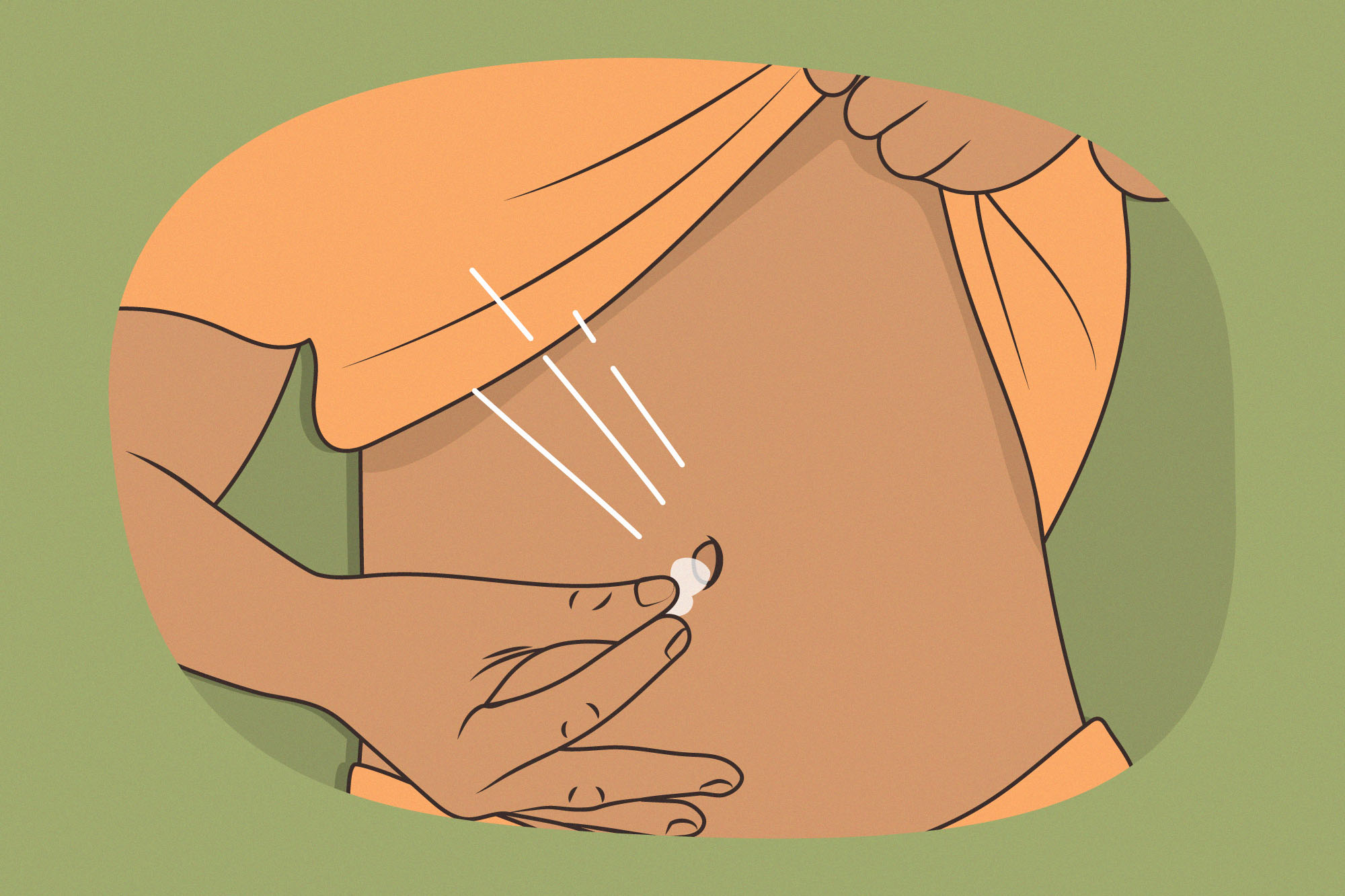
Cleaning your navel is simple but often neglected. Here’s how to do it safely:
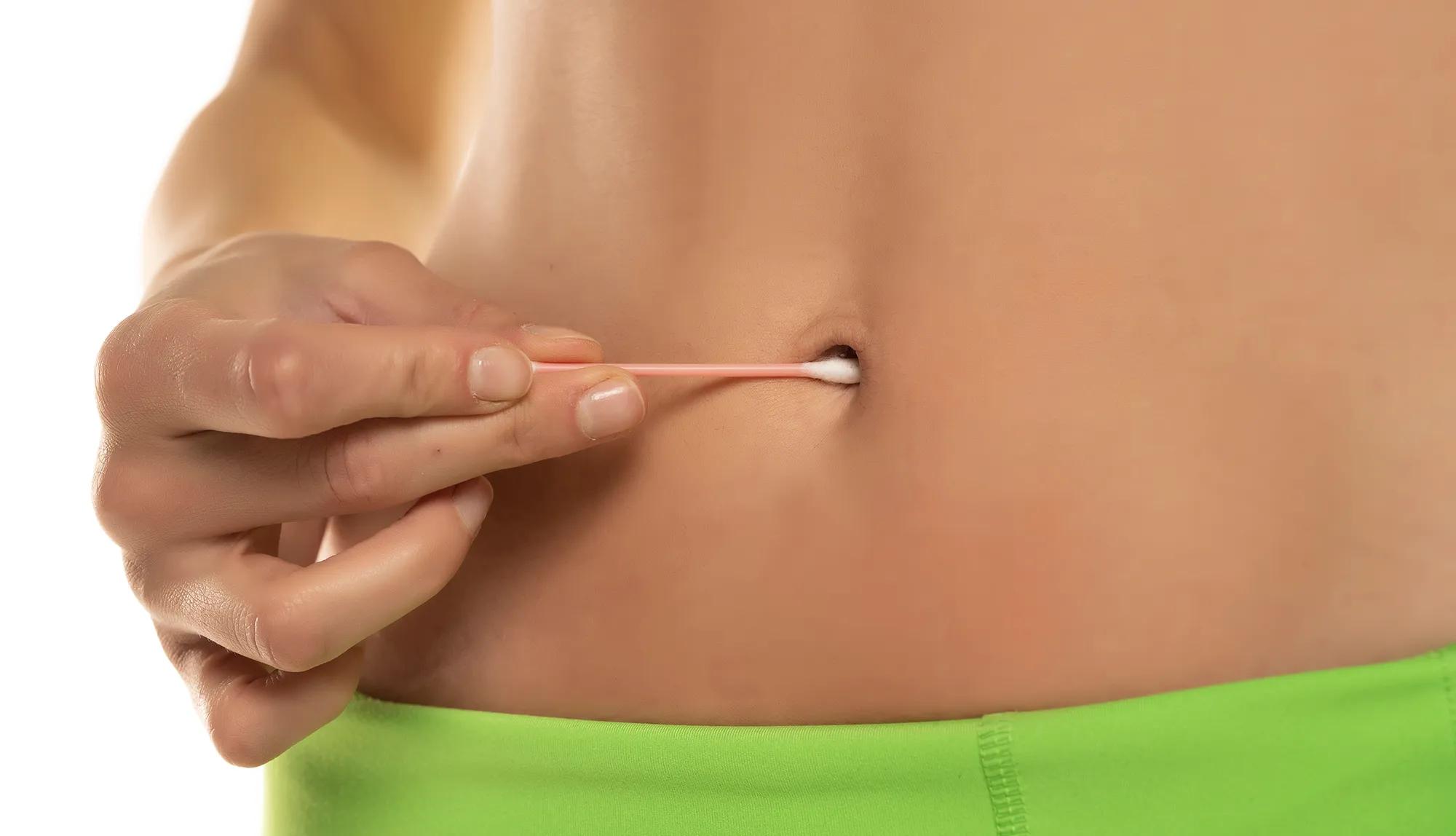
For Innie Belly Buttons:
-
Use a cotton swab dipped in warm water or rubbing alcohol.
-
Gently wipe inside the navel to remove debris.
-
Dry thoroughly afterward to prevent moisture build-up.
-
Avoid harsh scrubbing, which can irritate the skin.
For Outie Belly Buttons:
-
Gentle washing with soap and water in the shower is usually sufficient.
Tips:
-
Clean it once or twice a week, more if you sweat heavily or have a deep innie.
-
Avoid using heavily perfumed or alcohol-based products if you have sensitive skin.
Finally Analysis!
Don’t Overlook the Navel
Though small and often ignored, the belly button plays host to a mini-ecosystem of bacteria and debris. It’s a natural collection point for the by-products of daily life—skin cells, sweat, fibers, and oils. Without regular cleaning, this hidden area can become a haven for odor, infections, and even hardened debris.
Understanding what’s lurking in your belly button is the first step toward better personal hygiene. So next time you step into the shower, don’t forget to give your navel a little attention—it might just thank you with fresher skin and fewer surprises.