

By Ubong Ekanem

There is a beast we have always loved, revered, even taken for granted. It gives us rain and sun, seasons and harvests, beauty that overwhelms. But when it rages, when it turns its claws toward us, that same beast becomes merciless — indifferent to our plans, our hopes, our very lives.
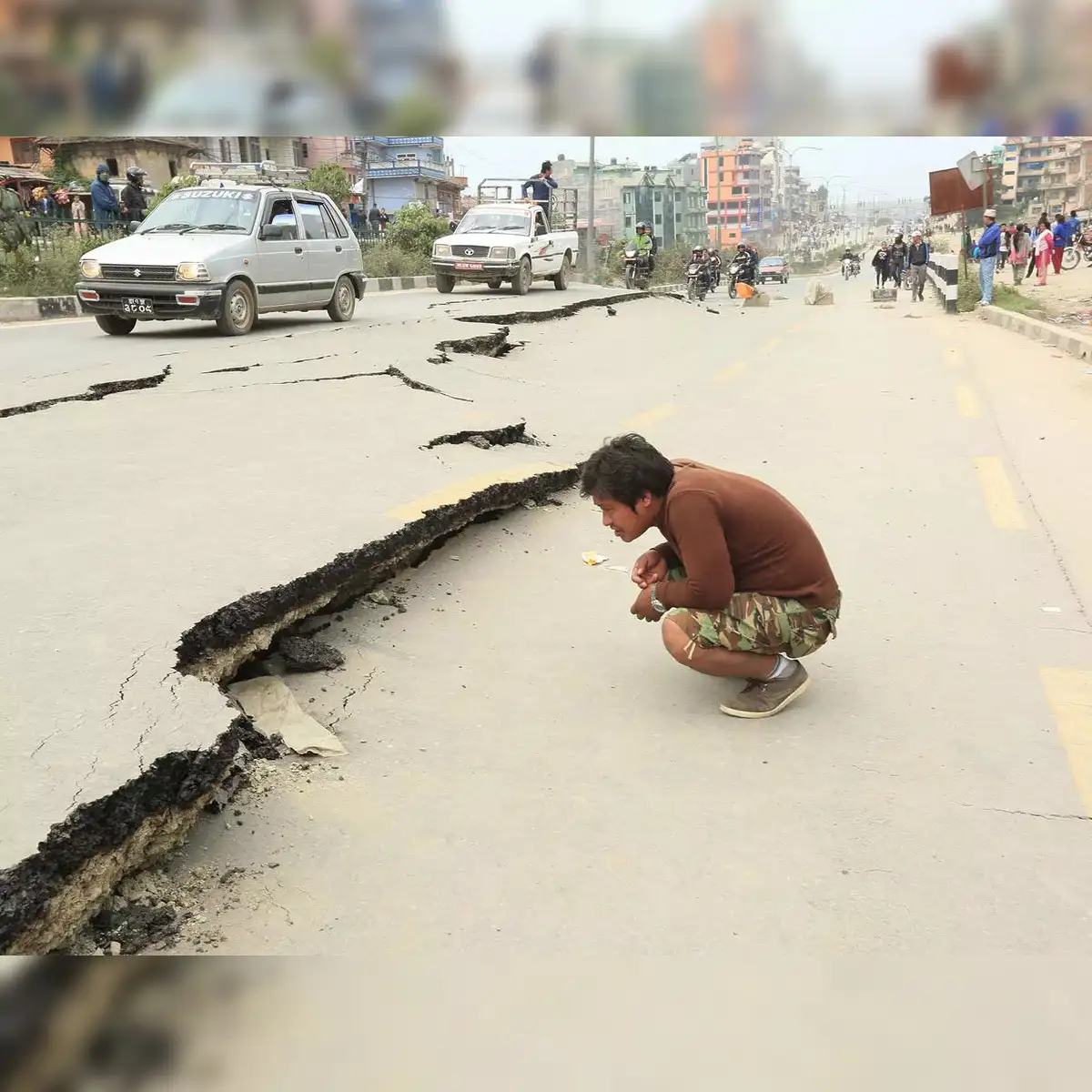
In late September 2025, off the coast of Cebu province in the Philippines, a powerful 6.9-magnitude earthquake struck in the dead of night, with its epicenter shallow, at just 5 kilometers beneath the surface. The quake tore through homes, collapsing centuries-old churches and snatching lives while people slept. Over 70 confirmed dead, hundreds injured, tens of thousands displaced. The tremor was a reminder that beneath our feet, the earth is anything but stable.

Meanwhile, in the fiery grip of climate change, wildfires are becoming unstoppable infernos. A global study reveals that nearly half of the world’s deadliest, billion-dollar wildfires since 1980 have occurred just in the last decade. Regions once only whispering about fire now burn with alarming frequency — California, Chile, Australia. Dry heat, parched earth, a spark… and Nature’s inferno consumes woods, towns, lives.
Then there are the rains — not the gentle soaking we welcome, but torrents. In the Himalayas, places like Himachal Pradesh and Uttarakhand were hit by rainfall 195% above normal, triggering cascading disasters: flash floods, landslides, cloudbursts that deliver destruction in minutes. Entire villages swept away. Communities buried under mud and water. In Uttarakhand, a viral video showed a leopard struggling against the currents, ultimately drowned by raging waters — a chilling image of wildlife caught helplessly in human-adjacent disasters.
These events are more than statistics. Each number is a story: a family woken by quakes, a child fleeing flames, a farmer’s field turned river-bed. We build homes, roads, lives—not knowing how close we are to Nature’s breaking point.
What does it feel like, when Nature’s beast comes for you?
Imagine being in a quiet home when your walls begin to moan, your floor trembling, everything you own made fragile. That was Cebu. No warning bell quite loud enough. When darkness becomes a shiver of impending collapse.
Imagine smoke stinging your throat, skies turning orange, flames licking the once green flank of a forest, animals panicked, wild creatures running. That was the wildfire. Houses reduced to ashes, memories charred, earth scarred.
Then the rain — the kind that comes unannounced, thunderous, unrelenting. Rivers overflowing, roads vanishing, landsides swallowing whole settlements, the soil itself slipping away. Uttarakhand felt the betrayal of earth it once believed solid; people watching rivers become killers.
And then there’s the waiting — the sirens, the alerts, the moments when you clutch your children or your partner and wonder: will this be the day everything changes?
These disasters have a teacher: humility. We learn that our buildings, our defenses, our science—none of them are invincible. That Nature doesn’t negotiate. It doesn’t wait for consent. It storms, it burns, it collapses.
Yet it need not always be this tragic. The beast’s fury is rising, yes—but so is our chance to respond. To respect fragile environments, to stop deforestation, to enforce sensible building codes, to take climate change not as a political talking point, but as a moral emergency. To ensure early warning systems reach every community. To protect wildlife corridors, riverbanks, forests—not only for their beauty, but so that when the beast roars, fewer of its victims are human.
Because when Nature rages, every heart should beat a little faster. Every mind should quietly ask: are we ready? Are we wise enough to live in harmony, with respect, with fear when needed, but with preparation always?
We owe it to the ones lost, the ones yet to come: the beast called Nature demands we do better. Or it will continue to take.

