By Temitope Alade
Introduction – The Emergence of a Continent’s Most Powerful Industrialist
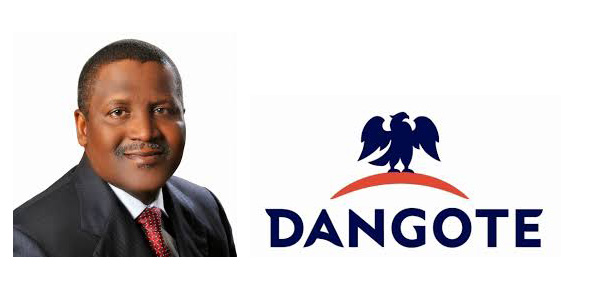
Aliko Dangote, the founder and president of Dangote Group, stands as a towering figure in African and global business. For over a decade, he has been referred to as “Africa’s Richest Man”, a title solidified by his consistent presence at the top of Forbes Africa’s billionaire list. He is also known as “The Cement King of Africa”, thanks to his total dominance of the cement industry across the continent. In 2024, following the partial commissioning of the Dangote Refinery, another nickname joined the list—“The Petrol King”, reflecting his bold and game-changing entry into oil refining.
These titles are more than symbolic—they reflect Dangote’s unmatched ability to lead industrial revolutions in sectors that are core to Africa’s economic transformation. From food to infrastructure to energy, Dangote has positioned himself as the face of African capitalism, a force pushing for self-sufficiency and pan-African development. Through long-term planning, vertical integration, and reinvestment of capital, Dangote has grown his conglomerate into the largest industrial empire on the continent.
Africa’s Richest Man – A Billionaire Built on Production and Strategy
Aliko Dangote’s wealth story is a remarkable case of African entrepreneurship rooted in manufacturing, trade, and infrastructure development. As of recent estimates, his net worth has consistently hovered above $10 billion, making him Africa’s richest man for over 12 consecutive years. Unlike many billionaires whose fortunes are tied to oil, finance, or inherited wealth, Dangote built his empire by producing everyday essentials for Africans—sugar, salt, flour, pasta, and cement.
Dangote understood that Africa’s growing population needed home-grown industries. He responded by building factories, supply chains, and distribution networks. His genius lay in vertical integration—controlling everything from raw material sourcing to finished product delivery. For instance, in sugar and flour, he not only imported raw materials but began refining and packaging domestically, eliminating middlemen and capturing value at every stage.
His strategy made him a model of Africapitalism—a term popularized by his peer Tony Elumelu—where wealth creation is combined with social good. Dangote’s businesses employ tens of thousands of Africans and support millions more indirectly through supply chains and distribution. His rise as Africa’s richest man is not just personal—it reflects the economic potential of homegrown industrialization.
The Cement King of Africa – Strengthening a Continent’s Foundation
Aliko Dangote’s dominance in the cement industry is arguably his most transformative legacy to date, earning him the fitting nickname “The Cement King of Africa.” His company, Dangote Cement, is the largest cement manufacturer in Africa, producing over 50 million metric tonnes annually with operations in more than 10 African countries including Nigeria, Ethiopia, South Africa, Zambia, and Senegal.
Cement is the backbone of infrastructure—roads, bridges, housing, schools, and hospitals all depend on it. By investing in cement production, Dangote positioned himself at the heart of Africa’s development. Before his entry into the industry, many African nations relied heavily on cement imports, making construction expensive and slow. Dangote changed that. He didn’t just build cement factories—he created an entire ecosystem, from limestone mining to bagging and distribution, drastically cutting costs and boosting local economies.
His cement empire has enabled governments and developers to build cheaper and faster, opening up cities, towns, and rural areas to development. Dangote didn’t just make cement; he built the physical foundation of a new Africa. His strategy of regional expansion through mergers, acquisitions, and local partnerships gave him a firm grip on the market, allowing him to influence pricing, quality standards, and distribution across the continent.
The Petrol King – Dangote’s Oil Refinery and Africa’s Energy Independence
In 2024, Aliko Dangote added a new crown to his legacy with the partial commissioning of the Dangote Refinery, located in the Lekki Free Trade Zone, Lagos. This $20 billion mega-refinery is set to become Africa’s largest oil refinery and the largest single-train refinery in the world, with a refining capacity of 650,000 barrels per day. With this bold move, Dangote has earned the title “The Petrol King”—a game-changer for Nigeria and the entire African energy market.
For decades, Nigeria, despite being one of the world’s top oil producers, relied on importing refined petroleum due to a lack of domestic refining capacity. This paradox led to high fuel costs, frequent shortages, and a massive drain on foreign exchange. Dangote’s refinery is reversing this reality by promising to supply all of Nigeria’s fuel needs and export to neighboring countries.
This refinery will not only reduce Nigeria’s dependency on imported fuel but also improve the country’s balance of trade, stabilize fuel prices, and create thousands of direct and indirect jobs. The project also includes a petrochemical plant and fertilizer factory, positioning Dangote as a key player in both energy and agriculture. With this venture, he is taking on foreign oil giants and reshaping Africa’s place in the global energy supply chain.
A Man of Many Crowns
Aliko Dangote’s titles—“Africa’s Richest Man,” “The Cement King of Africa,” and now, “The Petrol King”—are not just honorary labels. They reflect his real impact on African economies, his dominance in strategic industries, and his ability to lead by building, not just buying. In an era where Africa seeks self-sufficiency and global relevance, Dangote stands as a symbol of what is possible when bold vision meets disciplined execution.
He has inspired a new generation of African industrialists and reminded the world that Africa’s future will be shaped not just by politics or aid, but by visionary entrepreneurship and continent-wide industrial strength. Dangote is not just the richest—he is the most impactful.