By Gloria Nosa


Escalating tensions in the Middle East are sending shockwaves across global markets, raising fears of a major oil supply disruption and triggering projections that crude prices could surge to between $100 and $150 per barrel. While Nigeria stands to gain significantly from higher oil revenues, experts warn that the economic benefits may be offset by rising fuel costs, inflation, and supply chain disruptions.
Industry analysts estimate that Nigeria could generate an additional $1.3 billion in crude oil earnings this March alone if global prices spike as anticipated. However, the surge may also push petrol prices domestically to as high as ₦1,200 per litre, intensifying financial pressure on households already grappling with high living costs.
Global Supply Fears as Tankers Stall
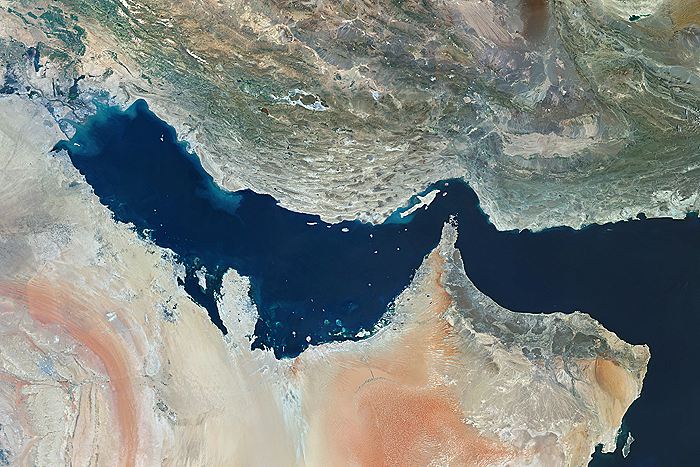
Concerns have intensified over potential disruptions in the Strait of Hormuz, a critical shipping route responsible for nearly 20 percent of the world’s oil supply. Reports indicate that more than 150 oil tankers are currently stranded or rerouting amid growing security risks in the Persian Gulf.
Shipping companies have begun diverting vessels around longer routes such as the Cape of Good Hope, increasing delivery times, freight costs, and insurance premiums. Some global shipping operators have also suspended or altered their routes entirely due to safety concerns.
These developments are already disrupting global logistics, affecting trade flows and increasing uncertainty in energy markets.
Nigeria’s Gains May Come at a Cost
As Africa’s largest crude oil exporter, Nigeria relies heavily on oil, which accounts for more than 85 percent of export earnings and about half of government revenue. At current production levels of approximately 1.45 million barrels per day, any significant rise in oil prices could substantially boost national income and strengthen foreign reserves.
However, higher crude prices also mean increased costs for refined petroleum products. Since Nigeria operates a deregulated fuel market without subsidies, domestic fuel prices are directly tied to international oil prices. This creates a paradox where the government earns more revenue while citizens face higher fuel and transportation costs.
Economists warn that increased fuel prices would ripple across the economy, driving up the cost of goods, manufacturing, and food.
Manufacturers, Airlines, and Traders Hit by Disruptions
The crisis is also affecting Nigeria’s aviation and logistics sectors. Several international airlines operating routes through the Middle East have suspended or adjusted flights, forcing passengers to cancel or reroute travel plans.
Logistics operators warn that prolonged shipping delays could increase import costs and disrupt supply chains, especially for manufacturers that depend on raw materials from Asia and the Gulf region.
The increased cost of aviation fuel, insurance premiums, and shipping charges could further strain businesses and reduce economic activity.
Investors Grow Nervous as Markets Face Volatility
Financial markets are already reacting cautiously to the geopolitical uncertainty. Analysts say investors may begin pulling funds from emerging markets like Nigeria, preferring safer assets until the situation stabilises.
Nigeria’s stock market, which has recorded strong gains recently, could face profit-taking and capital outflows if the conflict persists.
Experts also caution that oil price spikes often lead to inflation and higher borrowing costs globally, which could weaken economic growth.
Security and Social Implications at Home
The conflict has also sparked protests in parts of northern Nigeria, highlighting the potential domestic security implications of the Middle East crisis. Analysts warn that prolonged tensions could worsen humanitarian and political instability in several regions.
Beyond immediate economic effects, experts stress that the long-term impact will depend largely on how quickly tensions ease. While higher oil prices may provide short-term fiscal relief for Nigeria, prolonged global instability could ultimately undermine economic growth and increase hardship for citizens.
In the end, Nigeria faces a familiar dilemma: benefiting from rising oil revenues while its citizens bear the burden of higher fuel costs and inflation.