By Deji Osas
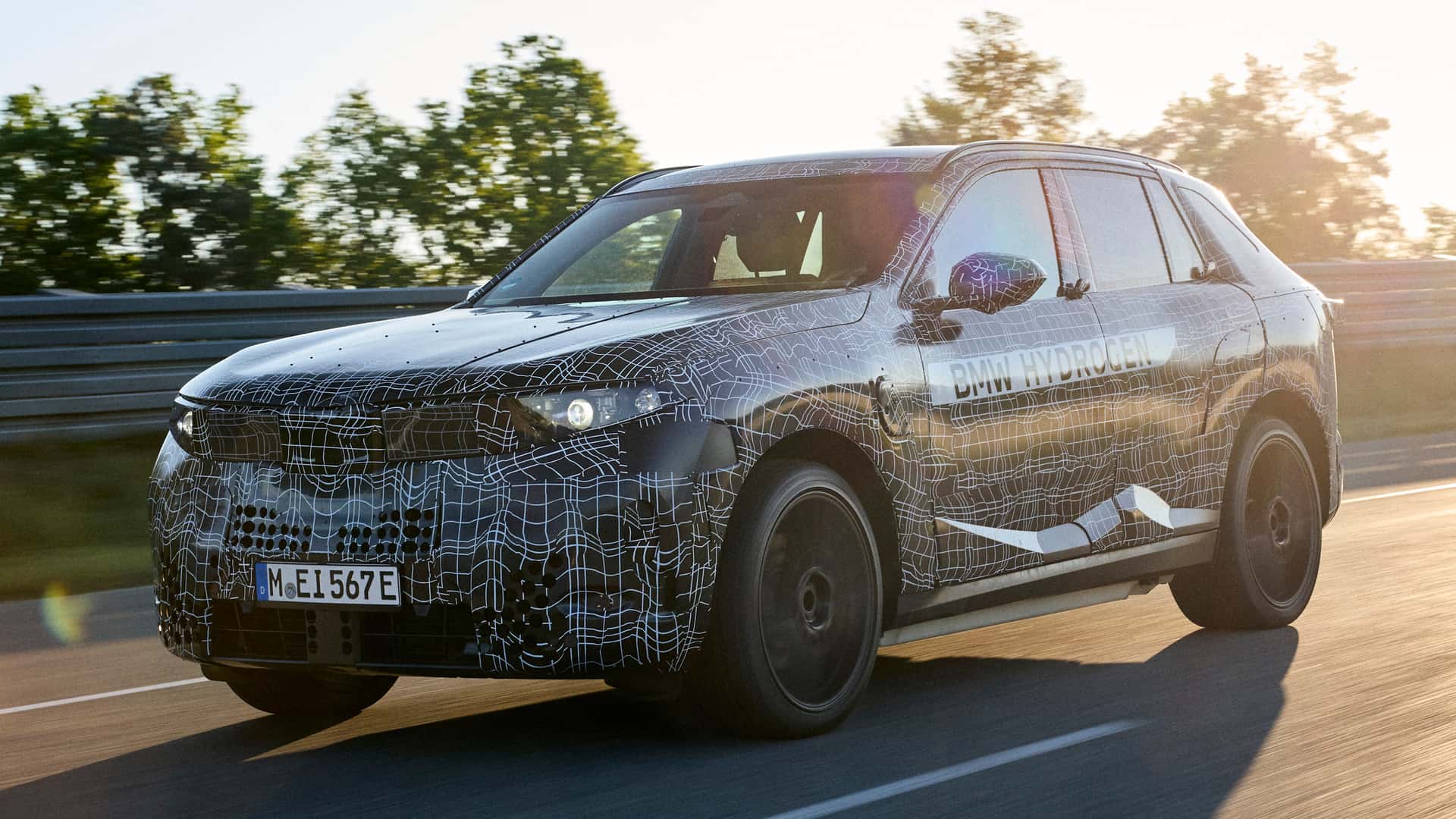
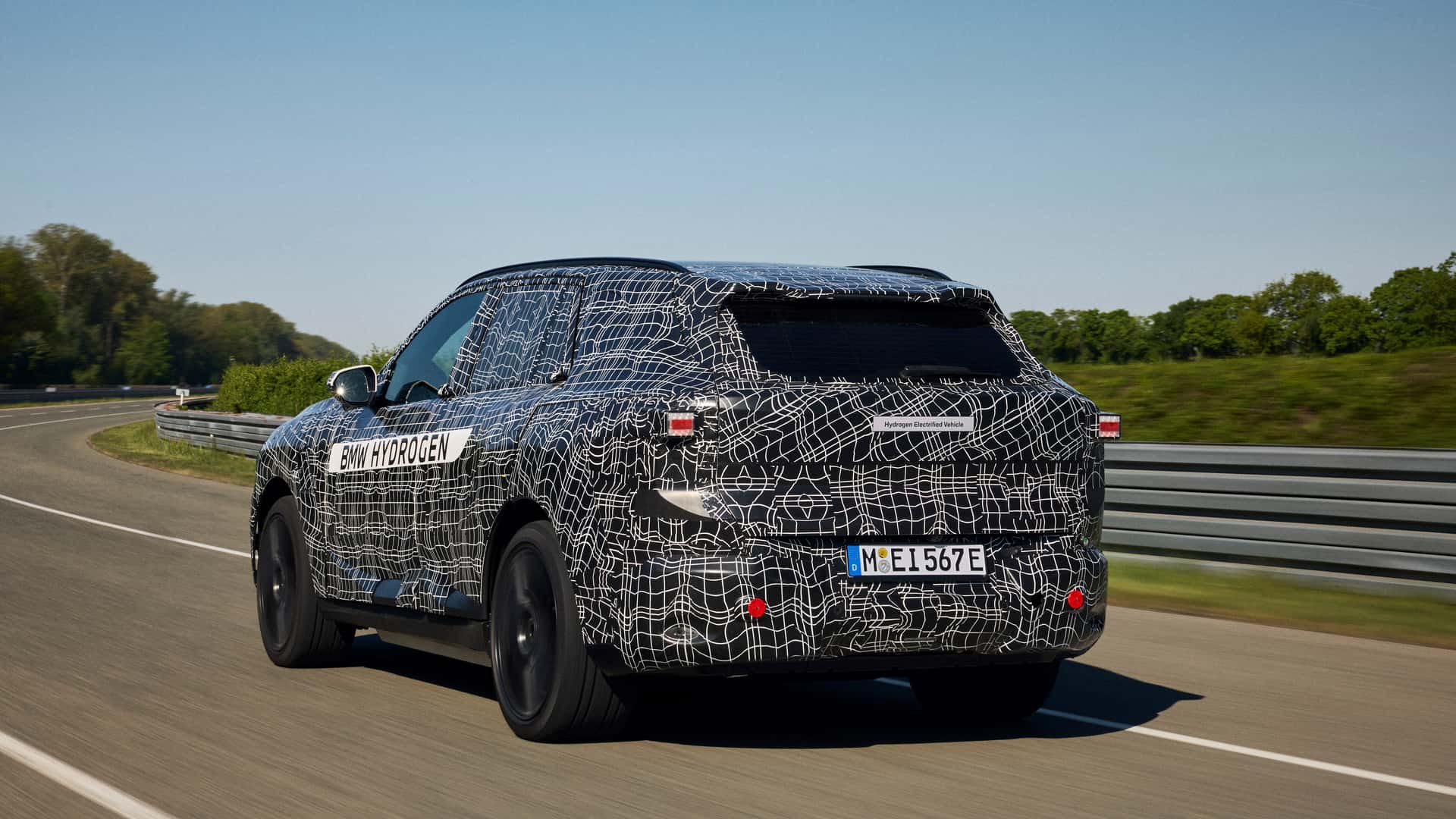
BMW is pushing ahead with hydrogen-powered vehicles, and its next-generation iX5 Hydrogen SUV is shaping up to be a major leap forward — especially in driving range and refuelling speed.
Longer Range, Faster Refuelling
BMW’s upcoming iX5 Hydrogen will feature a new flat hydrogen tank system capable of storing around 7 kilograms of hydrogen, enabling a range of up to 750 km (466 miles). The company says refuelling will take less than five minutes, similar to filling a petrol vehicle.
The improved range comes from a redesigned storage layout and more efficient fuel-cell technology, allowing BMW to increase capacity without sacrificing interior space.
Third-Generation Hydrogen Technology
The next-gen iX5 Hydrogen will use third-generation fuel-cell technology, developed in collaboration with Toyota, which is more compact, efficient and powerful than previous systems.
This new system is expected to:
- Improve efficiency
- Reduce energy consumption
- Deliver stronger performance
- Increase driving range
BMW says the hydrogen powertrain will also integrate with its Gen6 battery technology and new vehicle architecture.
Production Timeline
BMW plans to begin series production in 2028, making the iX5 Hydrogen the company’s first mass-produced hydrogen vehicle.
The hydrogen model will be part of the next-generation X5 lineup, which will offer five powertrain options:
- Petrol
- Diesel
- Plug-in hybrid
- Battery electric
- Hydrogen fuel cell
Why BMW Is Betting on Hydrogen
BMW believes hydrogen vehicles can complement electric cars by offering:
- Longer driving range
- Faster refuelling
- Better suitability for large SUVs
- Reduced dependence on charging infrastructure
Hydrogen fuel-cell vehicles operate like electric cars but generate electricity onboard using hydrogen, producing only water vapor as emissions.
A Big Test for Hydrogen Cars
While hydrogen technology still faces challenges — especially limited refuelling infrastructure — BMW sees it as a second pillar of zero-emission mobility alongside battery-electric vehicles.