

Health News
By Geraldine Ohonba
As people grow older, heart health becomes increasingly important. Scientific research consistently shows that aging itself is one of the strongest risk factors for cardiovascular disease. However, lifestyle choices — particularly diet, physical activity, and stress management — play a major role in determining how healthy the heart remains over time.
One of the most critical indicators of heart health is cholesterol — a waxy, fat-like substance found in the bloodstream. While the body needs cholesterol to build cells and produce hormones, excessive levels can become dangerous. Over time, cholesterol can accumulate in the arteries, forming plaque that narrows blood vessels and increases the risk of heart attack and stroke. This process is known as Atherosclerotic Cardiovascular Disease.
Not all cholesterol is harmful. Low-density lipoprotein (LDL), often called “bad” cholesterol, contributes to plaque buildup, while high-density lipoprotein (HDL), known as “good” cholesterol, helps remove excess cholesterol from the bloodstream. Maintaining the right balance between the two is essential for long-term heart health.
The Role of Carbohydrates in Cholesterol
Carbohydrates are one of the most misunderstood factors affecting cholesterol levels. Simple and refined carbohydrates — such as sugary drinks, white bread, and processed snacks — can increase LDL cholesterol and reduce HDL levels. These foods also cause rapid spikes in blood sugar, which may worsen metabolic health over time.
On the other hand, complex carbohydrates support cardiovascular health. Foods such as whole grains, beans, lentils, chickpeas, sweet potatoes, and berries digest more slowly, helping regulate blood sugar and reduce harmful effects on cholesterol.
Why Oats Stand Out
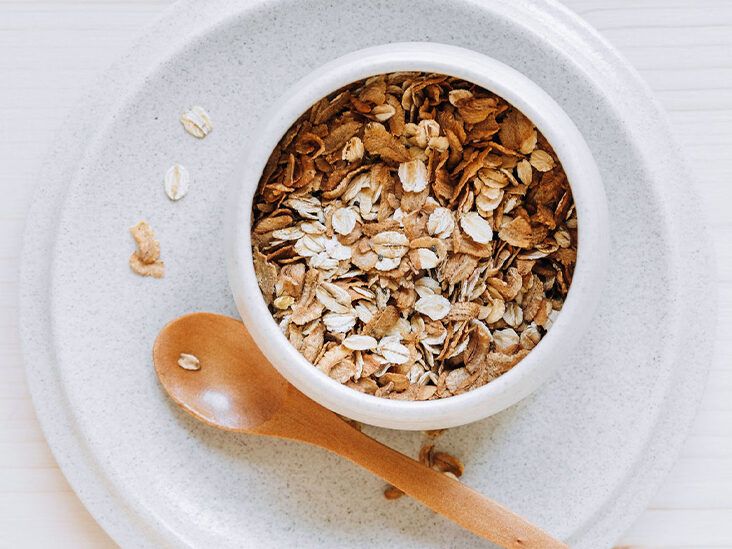
Among heart-healthy complex carbohydrates, oats are widely recommended by cardiologists. Oats are rich in soluble fiber, particularly beta-glucans, which play a direct role in lowering LDL cholesterol.
When soluble fiber from oats moves through the digestive system, it binds to LDL cholesterol and bile acids. These compounds are then removed from the body, prompting the liver to pull more LDL cholesterol from the bloodstream to create new bile acids. This process reduces overall LDL levels and lowers the risk of plaque formation.
Oats also contain polyphenols — antioxidant compounds that help reduce oxidative stress and prevent LDL cholesterol from oxidizing, a key step in artery-clogging plaque formation. Together, fiber and antioxidants make oats especially powerful for heart protection.
The Best Way to Eat Oats
Experts suggest that preparation matters just as much as the food itself. A bowl of steel-cut or rolled oats cooked with water or unsweetened plant-based milk provides the greatest benefits. Topping oats with berries and walnuts can further enhance their cholesterol-lowering effects by adding antioxidants and healthy fats.
However, adding brown sugar, honey, maple syrup, or flavored instant packets can undermine these benefits. These additions increase sugar intake, which may raise blood glucose and triglyceride levels. Similarly, adding butter, cream, or coconut oil introduces saturated fats that can increase LDL cholesterol.
Processing also plays a role. Instant oats digest more quickly and can cause faster blood sugar spikes compared to steel-cut or rolled oats.
Heart Risk Increases With Age
Heart disease becomes more common as people age. The prevalence rises significantly among adults aged 65 and older, and stroke risk doubles every decade after age 55. Although older adults face the highest risk, cardiovascular disease is also increasing among younger individuals.
Small Changes, Big Impact
Protecting heart health does not require drastic changes. Starting with small, sustainable habits — like eating oats a few times a week — can make a meaningful difference over time.
When consumed regularly and prepared properly, oats help lower LDL cholesterol, reduce plaque buildup, and improve blood flow. Over time, this simple habit can shift the trajectory from silent cardiovascular disease toward long-term heart protection.
Sometimes, one small bowl each morning can make a powerful difference for the future of your heart.


