

By Gloria Nosa
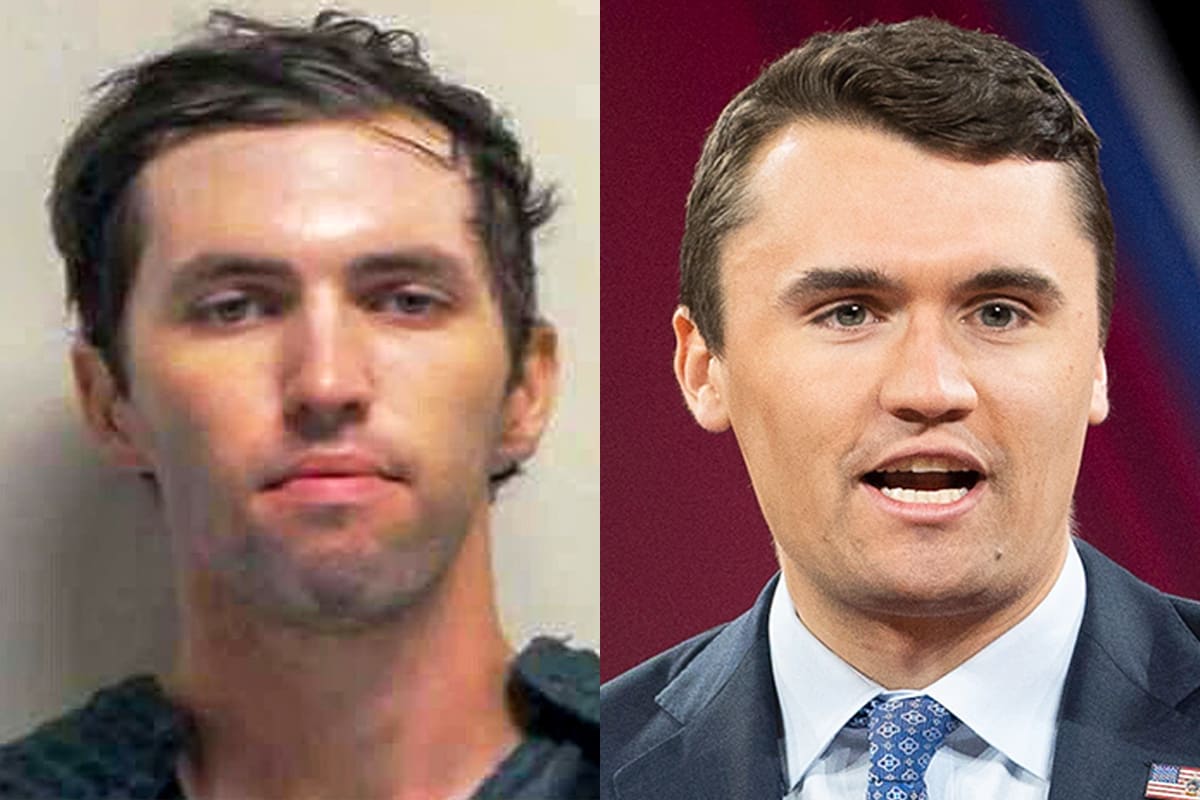
Attorneys for Tyler Robinson, the man charged with the fatal shooting of conservative activist Charlie Kirk, have petitioned the court to prohibit cameras during proceedings, arguing that intense media coverage is jeopardizing their client’s right to a fair trial.
The request comes ahead of a scheduled hearing this Friday, where Robinson’s legal team is expected to argue that extensive live-streaming and sensational reporting have shaped public perception and could influence potential jurors before the trial begins.
Defense attorneys highlighted what they described as misleading media coverage, including a report published by the New York Post that used a so-called “lip-reading” analysis to claim Robinson made a confession during a private courtroom exchange in December. The defense argued that such reporting reflects a broader pattern of sensationalism that unfairly portrays Robinson.
In court documents, Robinson’s lawyers stated that live-stream coverage has moved beyond informing the public and has instead become driven by “profit, sensationalism, political narratives, and the continued vilification” of their client.
The presiding judge, Tony Graf, has previously voiced concerns about courtroom filming. During earlier proceedings, Graf reportedly paused the hearing after cameras zoomed in on Robinson’s restraints and captured close-up footage that the defense said encouraged speculation and attempts at lip-reading.
Under Utah law, judges have discretion over whether cameras are allowed in courtrooms, though recording is typically restricted in federal courts.
Despite the defense’s request, prosecutors, several media outlets, and Kirk’s widow, Erika Kirk, are pushing to keep cameras in place. They argue that public access promotes transparency and helps prevent misinformation in a case that has drawn widespread national attention.
Robinson, who recently turned 23, is facing aggravated murder charges in connection with the September 10 shooting at Utah Valley University. Prosecutors have indicated they may seek the death penalty if he is convicted.
While Robinson’s legal team is also requesting a delay of the May preliminary hearing, prosecutors say their case includes significant evidence, such as DNA reportedly recovered from the weapon and text messages allegedly linking Robinson to the crime.
The court’s decision on whether cameras will remain in the courtroom is expected to play a key role in shaping how the high-profile case unfolds in the coming weeks.

