

By Gloria Nosa
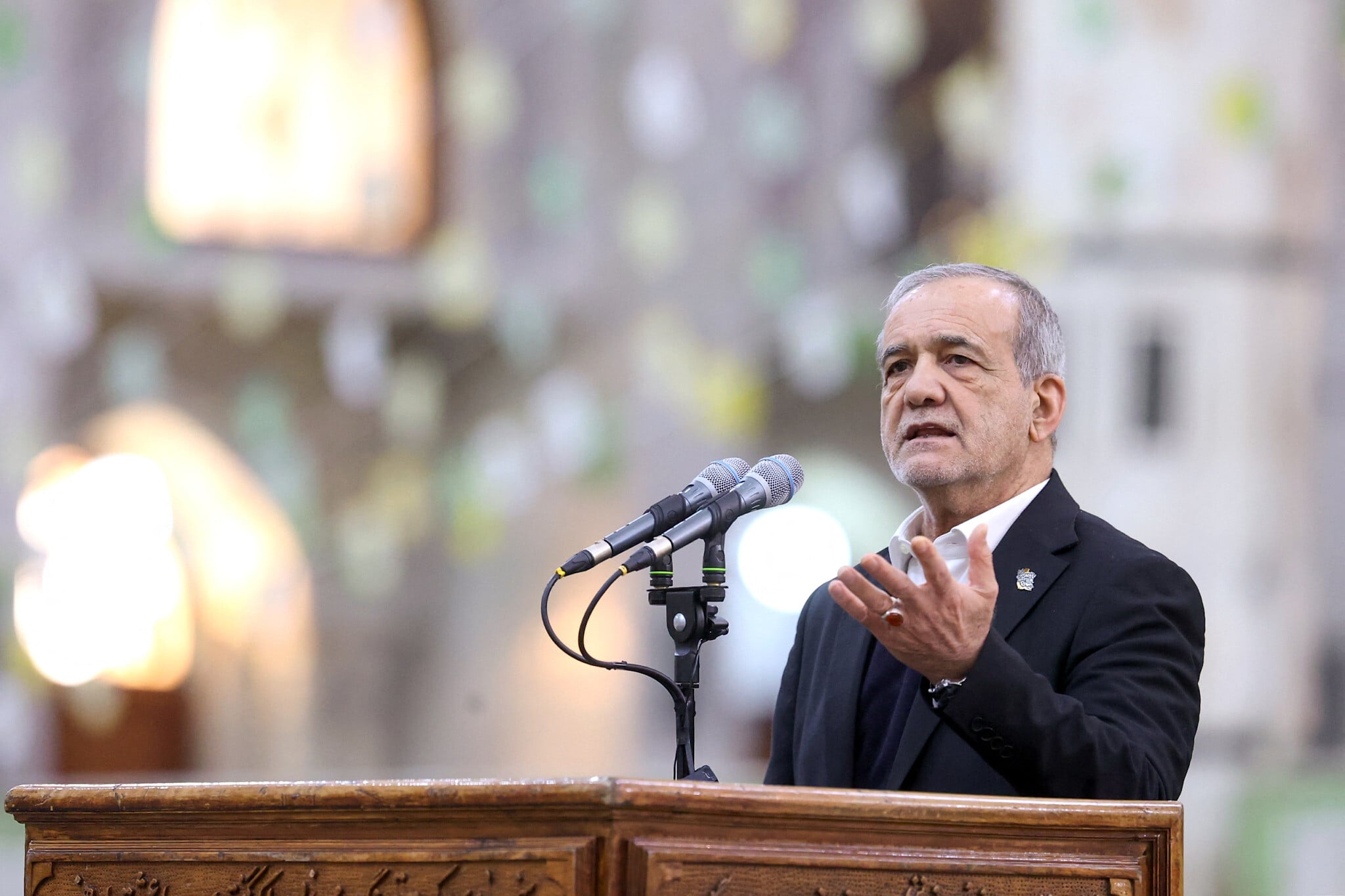
Masoud Pezeshkian has issued a rare apology to countries in the Middle East affected by Iran’s recent missile and drone operations, while declaring that the nation will not bow to pressure from Israel and the United States.
Speaking in a televised address broadcast by Iranian state media, Pezeshkian apologised to neighbouring states that were impacted during Iran’s retaliatory strikes across the region. He said the attacks were not meant to target those countries directly and assured them that Tehran would avoid further strikes unless they were used as launch points for aggression against Iran.
According to him, the interim leadership council currently governing the country had agreed that Iran would halt attacks on nearby nations going forward.
“I apologise on behalf of myself and the Iranian government to neighbouring countries that were affected by our operations,” he said, adding that Iran would only respond militarily if attacks were initiated from those territories.
The apology comes amid escalating tensions following a series of military confrontations between Iran and its adversaries.
The conflict intensified after coordinated strikes by Israel and the United States on February 28 targeted sites inside Iran. The attacks reportedly killed Iran’s Supreme Leader, Ali Khamenei, triggering widespread instability across the region.
In response, Iranian forces launched missiles and drones at Israeli targets and at facilities linked to U.S. interests in several Gulf countries.
Pezeshkian, who is currently part of a three-member interim council overseeing Iran’s leadership after Khamenei’s death, used the speech to reaffirm Iran’s defiance despite the growing military confrontation.
He insisted that the Iranian people would never surrender to their enemies, declaring that demands for unconditional capitulation by Israel and the United States would never be accepted.
“The enemies of Iran should take their dream of the unconditional surrender of the Iranian people to their graves,” he said.
The remarks signal both an attempt to calm tensions with neighbouring states while maintaining a firm stance against Israel and the United States as the regional crisis continues to unfold.

